Mathematics
Statement I: Any two-dimensional figure has atleast one line of symmetry.
Statement II: A mirror line is called a line of symmetry.
Statement I is true but statement II is false.
Statement I is false but Statement II is true.
Both Statement I and Statement II are true.
Both Statement I and Statement II are false.
Answer
Statement I is false, because many two-dimensional figures (such as a scalene triangle or a parallelogram) have no line of symmetry at all.
Statement II is true, because by definition, the line about which a figure is symmetrical is also the mirror line for the two halves of the figure.
Hence, Option 2 is the correct option.
Related Questions
Which of two figures are images of each other (mirror line shown dotted)?
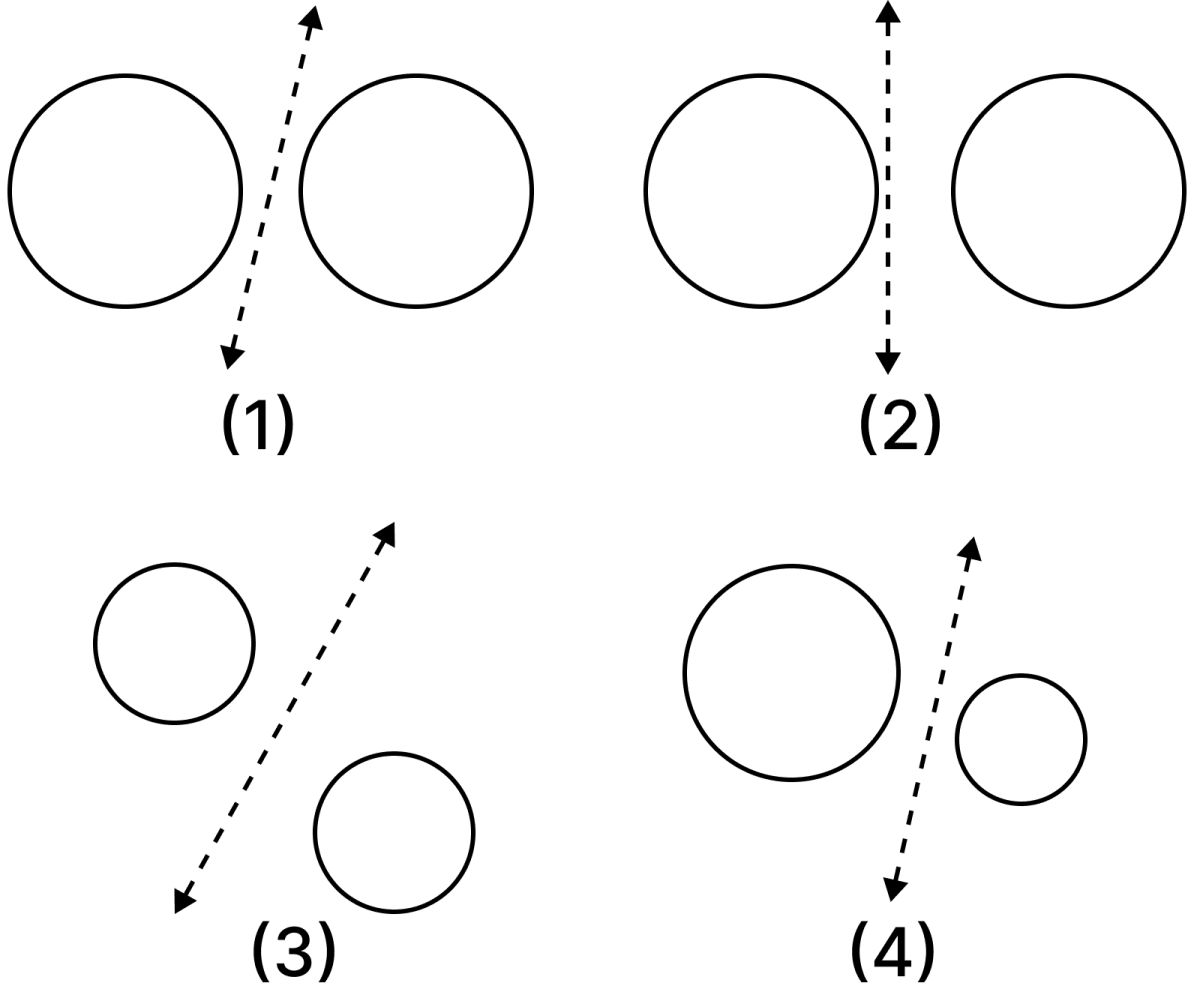
Which of the two figures are mirror images of each other (mirror line shown dotted)?
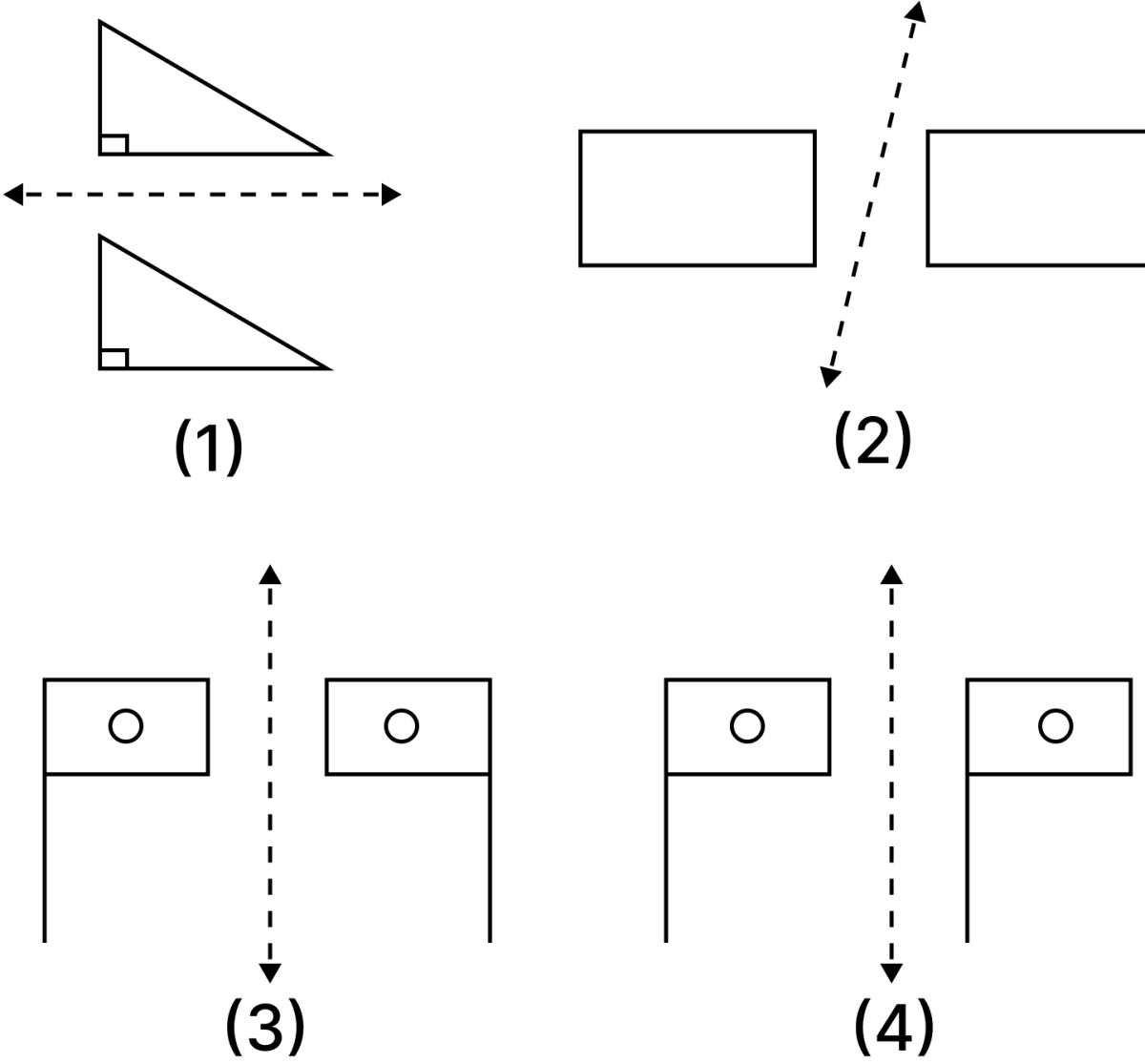
Statement I: Ram draws two squares and two rectangles, as shown in the adjacent figure. Next, he draws lines of symmetry in each figure. The total lines of symmetry he draws are 10.
Statement II: All the lines of symmetry of a circle are also its diameters.

Statement I is true but statement II is false.
Statement I is false but Statement II is true.
Both Statement I and Statement II are true.
Both Statement I and Statement II are false.
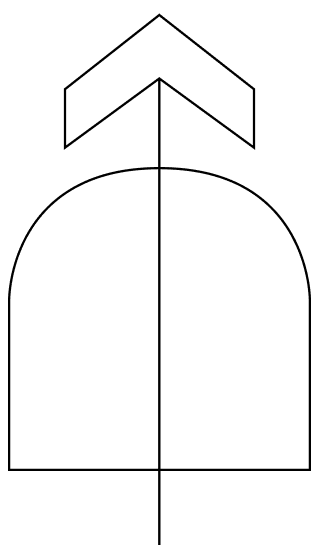
Statement I: Consider the adjoining figure. It has only one line of symmetry.
Statement II: A semicircle has one line of symmetry, whereas an arrowhead has 2 lines of symmetry.
Statement I is true but statement II is false.
Statement I is false but Statement II is true.
Both Statement I and Statement II are true.
Both Statement I and Statement II are false.