History & Civics
| The Madras High Court has accepted a request made on behalf of a Minister’s wife, for an urgent hearing of a Habeas Corpus petition filed by her accusing the Enforcement Directorate (ED) of not having followed due procedure while arresting her husband early on Wednesday. **Reference: https://www.thehindu.com |
In the situation given above, what does the 'Habeas Corpus' mean? Which bodies in our Country are authorised to issue such orders?
Answer
'Habeas Corpus' means 'to have the body', i.e., the arrested minister would be presented before the Madras High Court by the Enforcement Directorate. The High Court will justify the legality of the arrest and detention. If the Court finds that the due procedure was not followed, or that the detention is illegal, the detained minister would be immediately released.
The Supreme Court and High Courts are authorised to issue 'Habeas Corpus'.
Related Questions
Identify the big three. Name the organisation formed by them after World War II.

Mention the similarities in the ideologies of the dictators depicted in the below picture.

Read the conversation given below and answer the following questions:
Priscila: The Prime Minister is like a king, he decides everything in our country.
Kiran: Lord Morely described the Prime Minister as ‘primus inter pares’ (first among equals) and ‘keystone of the cabinet arch’. He is the chief executive of the nation and works as head of the Union Government.
Balvinder: The Prime Minister has to consider the expectations of the party members and other support of the government. But after all, the Prime Minister has a greater say in policy-making and in choosing the ministers.
Source(Edited): https://dspmuranchi.ac.in/pdf/Blog/pm.pdf
In light of the above conversation, answer the following.
Do you agree with Priscila's or Kiran's statement? Justify your answer with reference to the position of the Prime minister in our country.
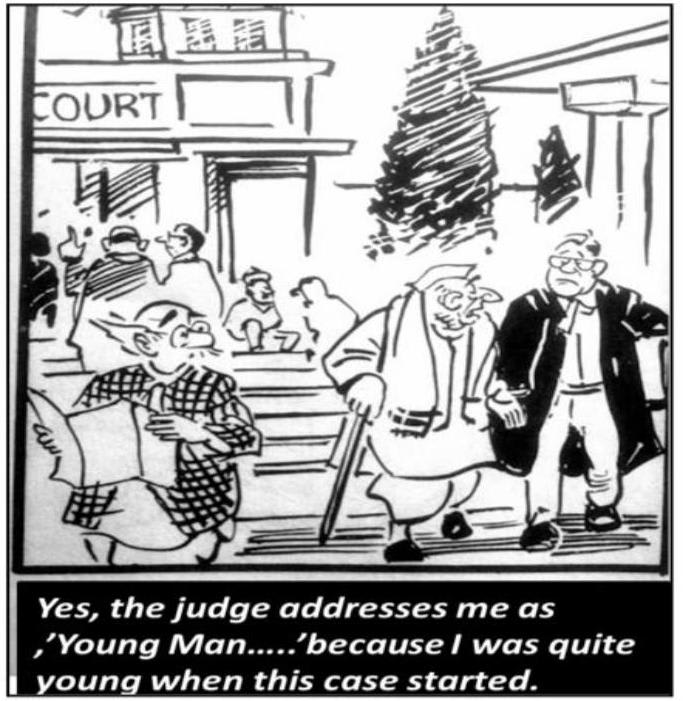
With reference to the picture given above, explain a common problem of the judicial system and how it can be solved through a subordinate court.