History & Civics
What is the procedure that should be followed if there is a deadlock between the two Houses of the Parliament on a non-money bill?
Answer
Ordinary Bills may originate in either House of the Parliament.
- If there is disagreement between the two Houses, the bill is referred to a joint-sitting of both the Houses.
- In such cases both the Houses are placed on an equal footing.
- However, the Rajya Sabha is in a weaker position, since the total membership of Rajya Sabha is less than even half of the total strength of the Lok Sabha.
- Besides, the joint session is presided over by the Speaker of the Lok Sabha.
Related Questions
The house is discussing an issue regarding the nation in the month of November. Which session is in motion?
- Summer Session
- Budget Session
- Winter Session
- Monsoon Session.
Which of the following can make the amendment as shown in the picture?
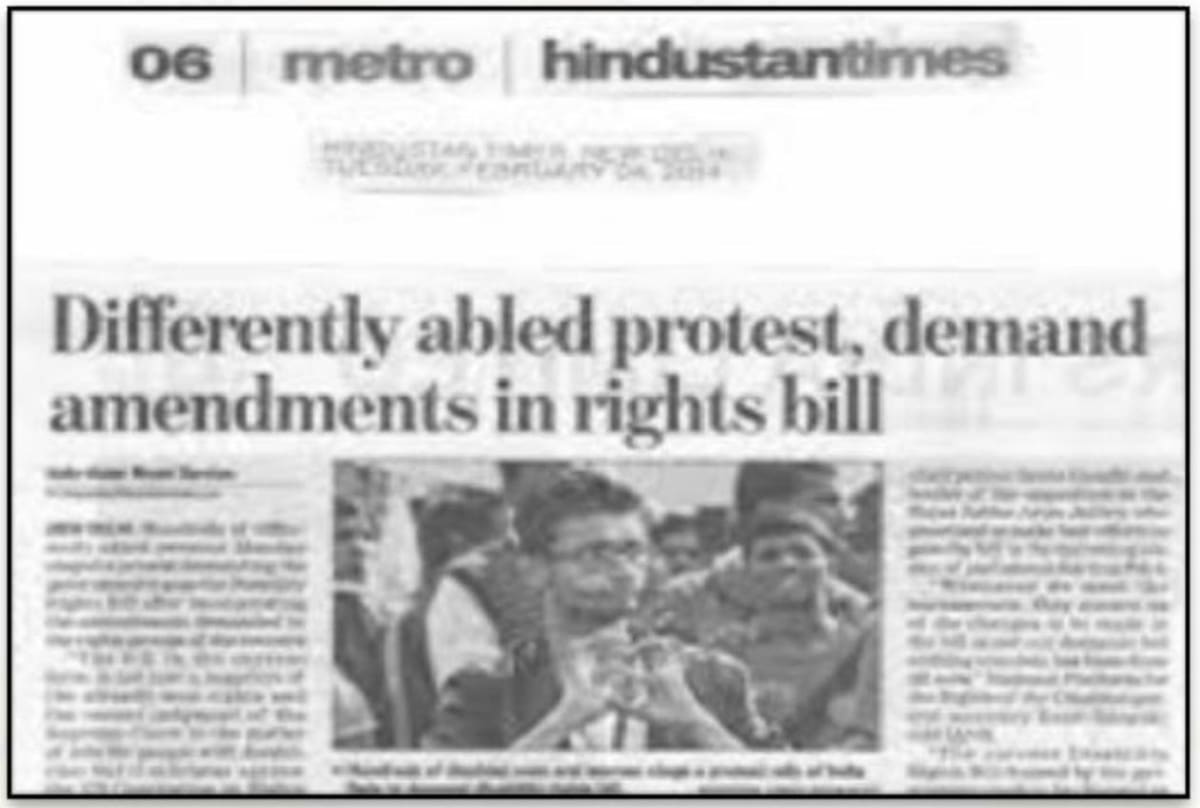
- The Parliament
- The High Court
- The Supreme Court
- The President
(A) The allotment of the number of members of Lok Sabha alloted to the various States is made on the basis of the size of the State.
(R) The Rajya Sabha can have a total of 250 members elected from all the States in the Union.
- (A) is true, but (R) is false
- (A) is false, but (R) is true
- Both (A) and (R) are true, but (R) is not the correct explanation of (A)
- Both (A) and (R) are false.
14th December 2023, The Hindustan Times reported:
Parliament session highlights: Total 13 opposition MPs suspended, SR Parthiban’s suspension revoked.Who can suspend the members from the Lok Sabha? Mention any one probable circumstance under which he/she can suspend the members.