History & Civics
Which of the following is NOT true about Lucknow Session of Congress in 1916?
- Moderates and Assertive Nationalists resolved their differences in this session
- The Congress and the Muslim League signed Lucknow Pact after the session
- B. G. Tilak and Annie Beasant emerged as important figures of Congress party
- This session demanded 'Dominion Status' for India.
Related Questions
(a) Identify the persons in the given picture. Which agreement for a joint scheme of political reforms was signed by these two persons? The agreement was signed post which international event?
(b) Mention any three factors that led to the signing of this agreement.
(c) State any two significant outcomes of this agreement.
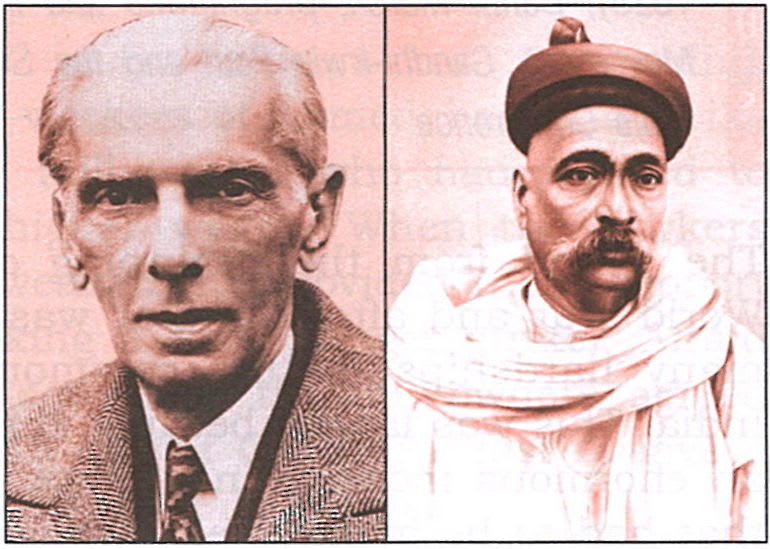
Realising the aims and objectives of the Muslim League when it was formed in 1906, do you think that more than the Muslim League, it was the British policy of Divide and Rule, that encouraged the communal forces to create a rift between the two communities in India.
Mahatma Gandhi said, "Communal harmony could not be permanently established in our country so long as highly distorted versions of history were taught in her schools." State your views on this statement and justify it by giving examples.
Not many people are aware of the friendship built on mutual respect that was a symbol of Hindu-Muslim unity of India—the friendship between Lokmanya Tilak and Mohammed Ali Jinnah. When Tilak, as the President of Home Rule League, was leaving for England to press for India’s demand for Swaraj, Jinnah had proclaimed that there was no man more fitted to voice the opinions of Indians other than Tilak who had devoted his whole life to the cause of his country. Trace the events that led to Jinnah demanding Partition of the country and the establishment of Pakistan. The relationship between the two countries till date is a proof of the discord sowed by the British. What in your opinion, can be done to improve relations between the two countries.