Geography
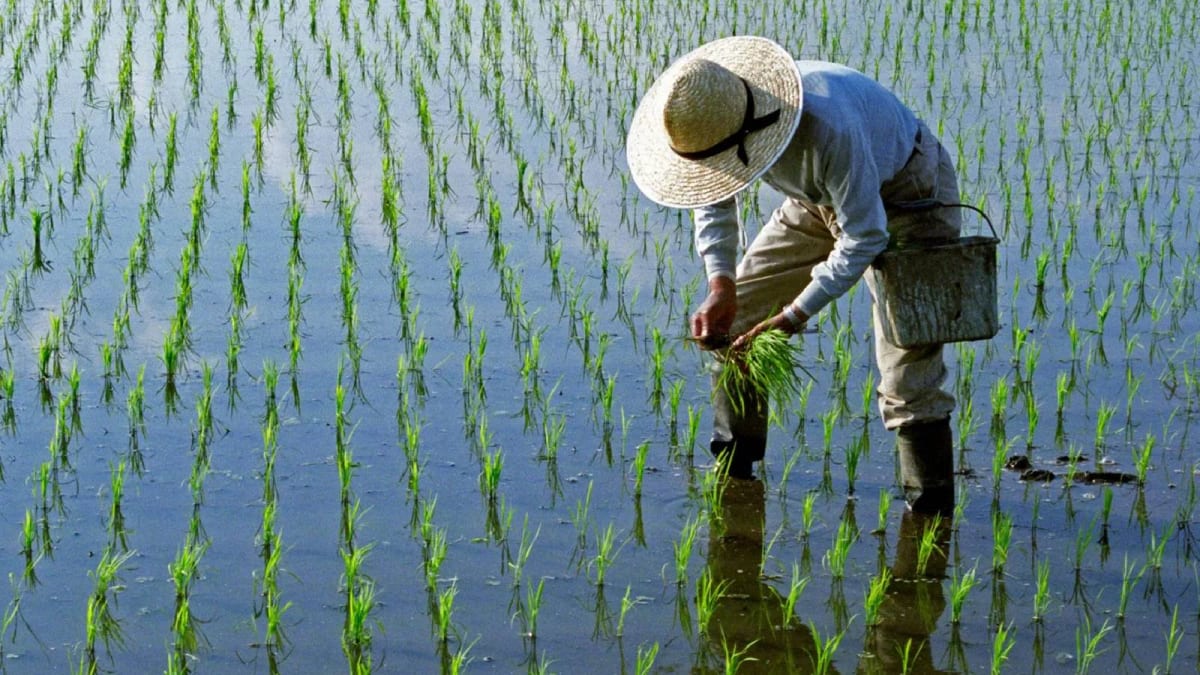
(a) Name the method by which the paddy is being sown in the picture above.
(b) Give two reasons to explain why this method of rice cultivation is restricted only to the prosperous farmers of the country.
Answer
(a) The paddy is being sown in the given picture by Transplantation method.
(b) Two reasons due to which Transplantation method of rice cultivation is restricted only to the prosperous farmers of the country are as follows:
High Labour Cost — Transplantation requires a large number of labourers for preparing nurseries, uprooting seedlings, and replanting them in the main field. Hiring this labour involves significant expense, which only well-off farmers can afford.
Access to Irrigation Facilities — This method needs controlled irrigation at various stages of growth. Prosperous farmers usually have better access to reliable water sources like tube wells or canal irrigation, which is essential for successful transplantation.
Related Questions
India has had a history of famines because of rainfed agriculture and rapid population growth. After the era of the Green Revolution that began in the 1960s, India never experienced a famine-like situation; it did, however, experience a drought of the century in 1987. Northern states (Punjab, Haryana and western UP) with a high level of irrigation are contributing almost all of wheat and two-thirds of rice to the central pool of India.
Source: Hira, G.S., Water Management in Northern States and the Food Security of India, Journal of Crop Improvement.
(a) Mention any two methods of irrigation commonly practised in the Northern Plains of India.
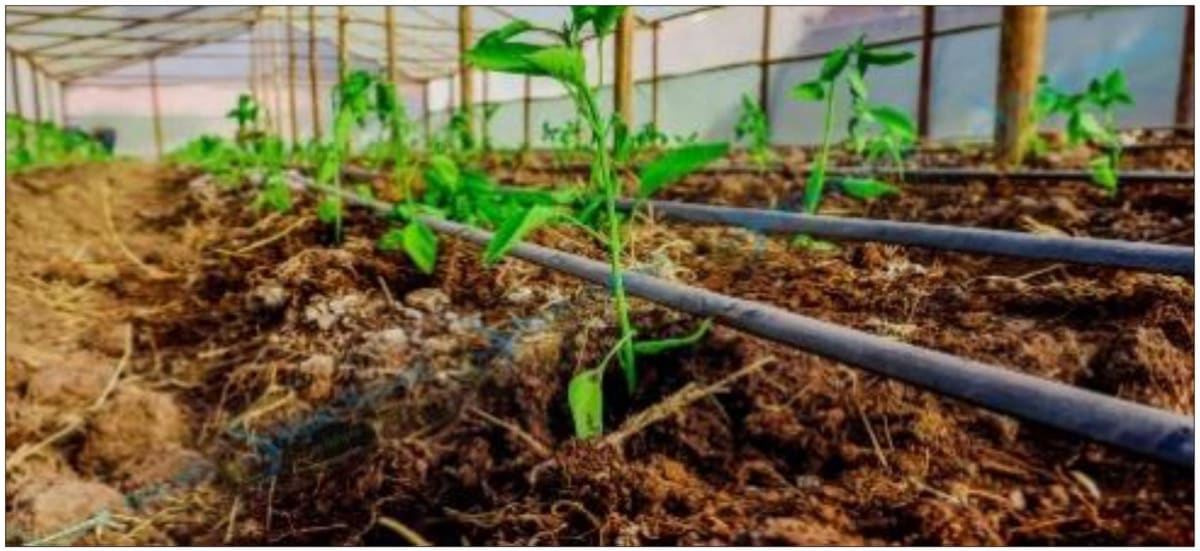
(b) For each method mentioned, state why it is popular here.(a) Identify the method of irrigation depicted in the picture.
(b) Why is it so named?
The global food system is facing immense challenges in the 21st century with climate change, population growth and malnutrition. Recognising the potential of millets in addressing current global challenges, the United Nations General Assembly declared 2023 as the International Year of Millets. This global campaign is designed to raise awareness about the benefits of millet and encourage actions to increase their production, consumption, and utilisation.
Source: International Journal of Plant & Soil Science- Volume 35, Issue 18, Page 1860-1871, 2023.
State two ways in which the cultivation of millets can help promote sustainable agriculture.
“A small sugarcane farmer in western Uttar Pradesh, Shri Raghuvir Singh, is getting on with age and is thinking of selling his land and moving out of farming. He has two sons, both graduates and working in Gurgaon. He did not make his sons farmers because farming is hard work and is non-profitable. This is the story of most farmers in India. Wealth and security of the country comes from its land, and hence, what is needed is sustainable and high productivity agriculture.”
Source: Chaudhuri, Sriroop, et al. "Land degradation–desertification in relation to farming practices in India: An overview of current practices and agro-policy perspectives." Sustainability 15.8 (2023)
(a) High productivity in agriculture will help boost our country's industrial sector. Explain.
(b) Enumerate two major problems encountered by a majority of India’s farming community.