Geography
India has had a history of famines because of rainfed agriculture and rapid population growth. After the era of the Green Revolution that began in the 1960s, India never experienced a famine-like situation; it did, however, experience a drought of the century in 1987. Northern states (Punjab, Haryana and western UP) with a high level of irrigation are contributing almost all of wheat and two-thirds of rice to the central pool of India.
Source: Hira, G.S., Water Management in Northern States and the Food Security of India, Journal of Crop Improvement.
(a) Mention any two methods of irrigation commonly practised in the Northern Plains of India.
(b) For each method mentioned, state why it is popular here.
Indian Agriculture Introduction
25 Likes
Answer
(a) Two methods of irrigation commonly practised in the Northern Plains of India are — Tubewell and Canal irrigation.
(b) Tubewell Irrigation — Due to availability of plentiful underground water, Tubewell irrigation is commonly practiced in the Northern Plains of India.
Canal Irrigation — Due to presence of perennial rivers like the Ganga, Yamuna, and their tributaries, the Northern Plains of India have an elaborate system of canals.
Answered By
15 Likes
Related Questions
Map sheet no. G43S7: Eastings 29 to 38 and Northings 85 to 94.
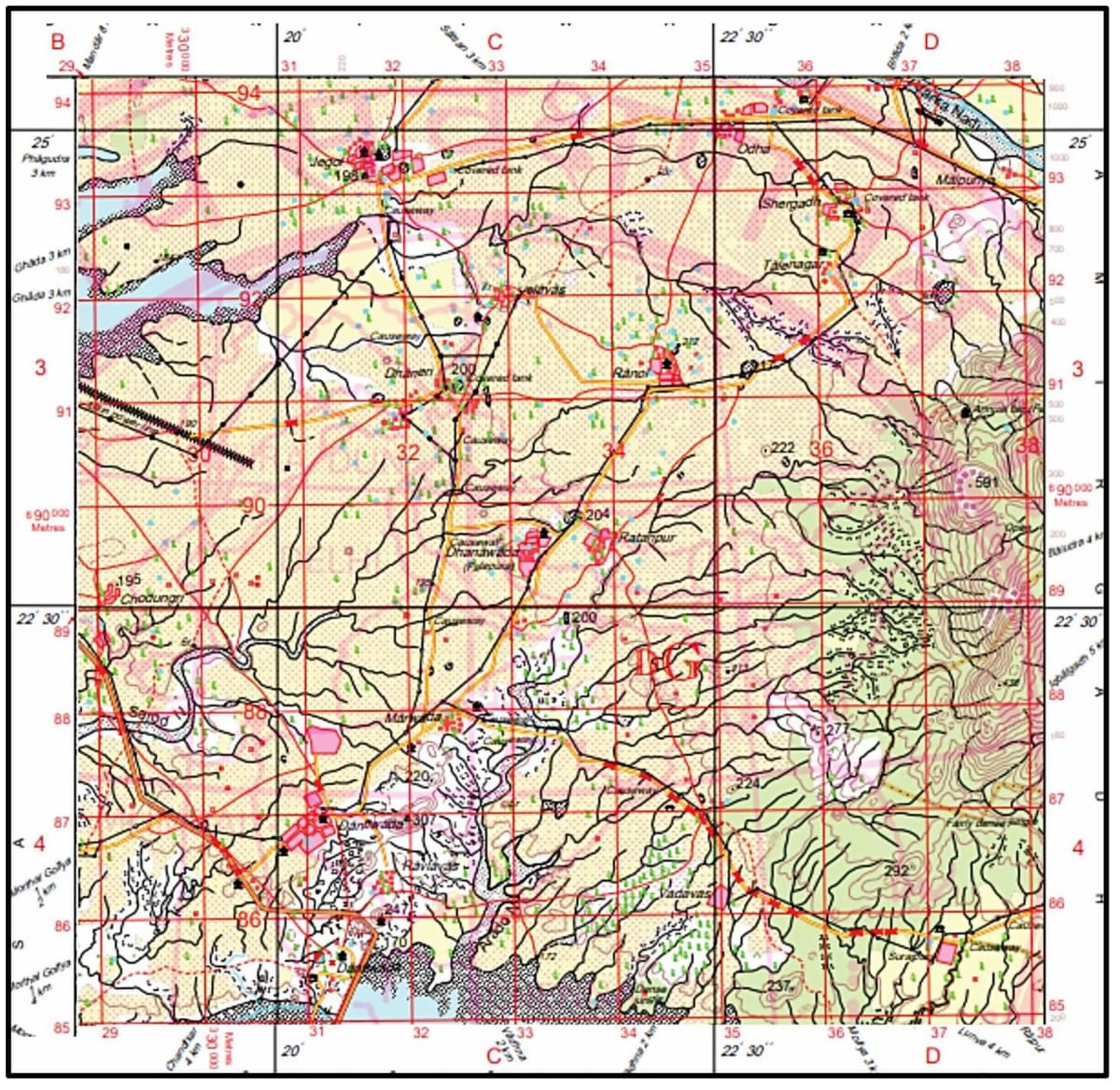
How much time shall be taken for a person if he is moving from Northings 85 to 94 in a straight line at a speed of 1 km per hour?
Map sheet no. G43S7: Eastings 29 to 38 and Northings 85 to 94.
Name the most important occupation of the people living in this area, giving a reason for the same.
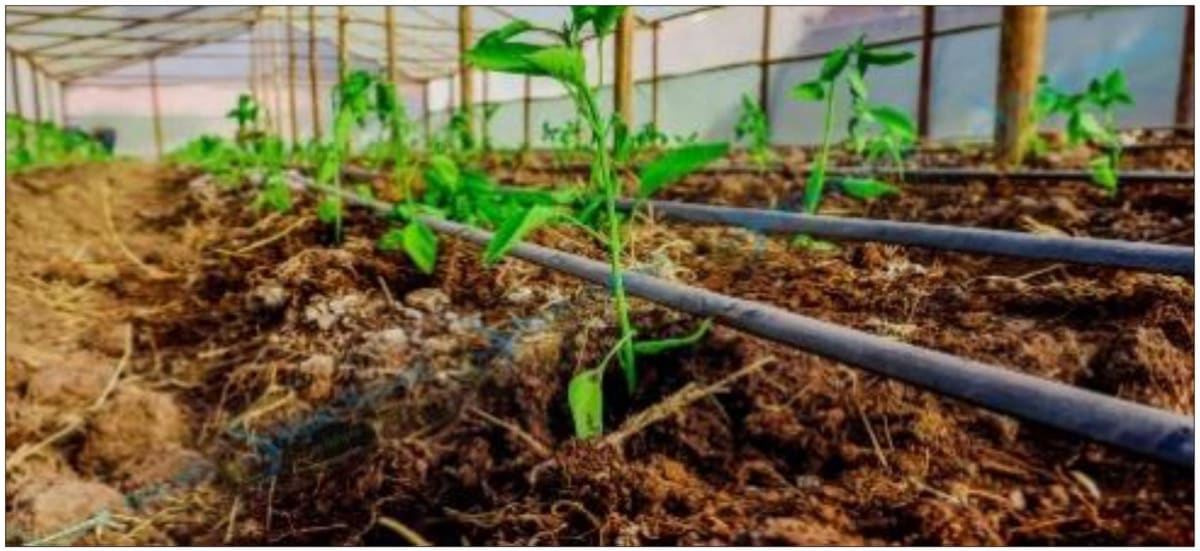
(a) Identify the method of irrigation depicted in the picture.
(b) Why is it so named?
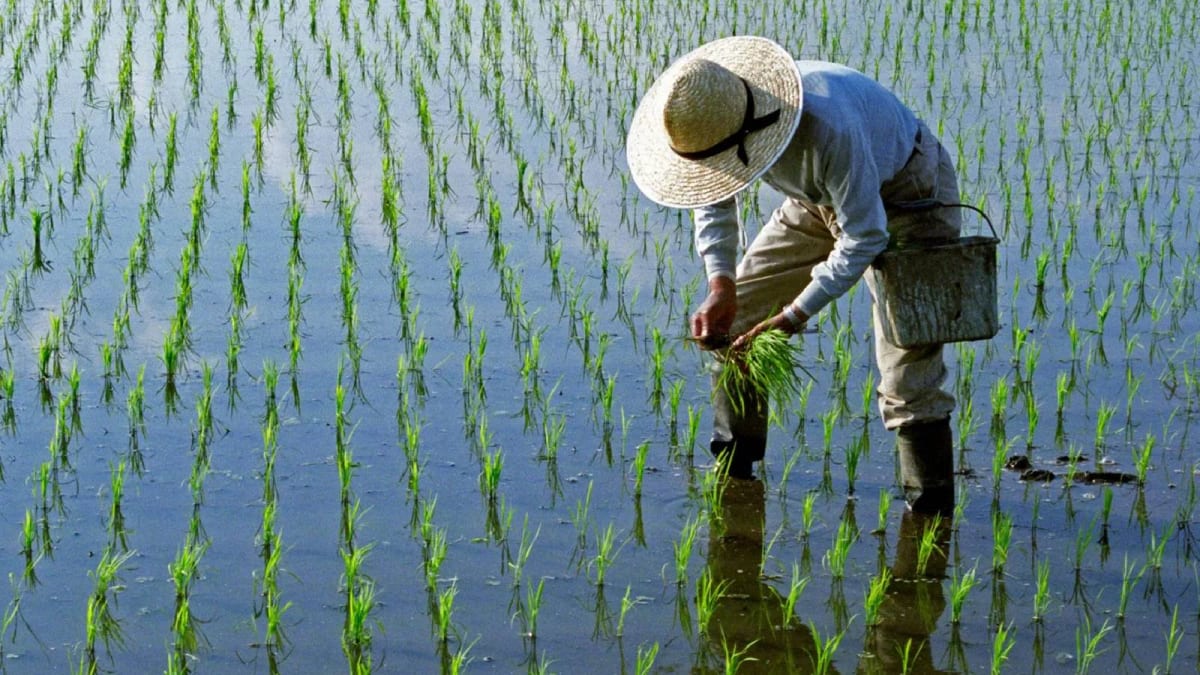
(a) Name the method by which the paddy is being sown in the picture above.
(b) Give two reasons to explain why this method of rice cultivation is restricted only to the prosperous farmers of the country.