
History & Civics
Assertion (A): The Sufi mystics detached themselves from the ruling classes and orthodox elements.
Reason (R): They disapproved of the vulgar display of wealth and the degeneration of morals following the establishment of the Islamic empire.
- A is true, but R is false.
- R is the reason for A.
- A is false, but R is true.
- Both A and R are false.
Composite Culture
3 Likes
Answer
R is the reason for A.
Explanation — The Sufi mystics disapproved of the vulgar display of wealth and the degeneration of morals following the establishment of the Islamic empire, and therefore detached themselves from the ruling classes and orthodox elements. Hence, both A and R are true, and R correctly explains A.
Answered By
2 Likes
Related Questions
The monument shown in the picture is most closely associated with which of the following historical and religious developments?
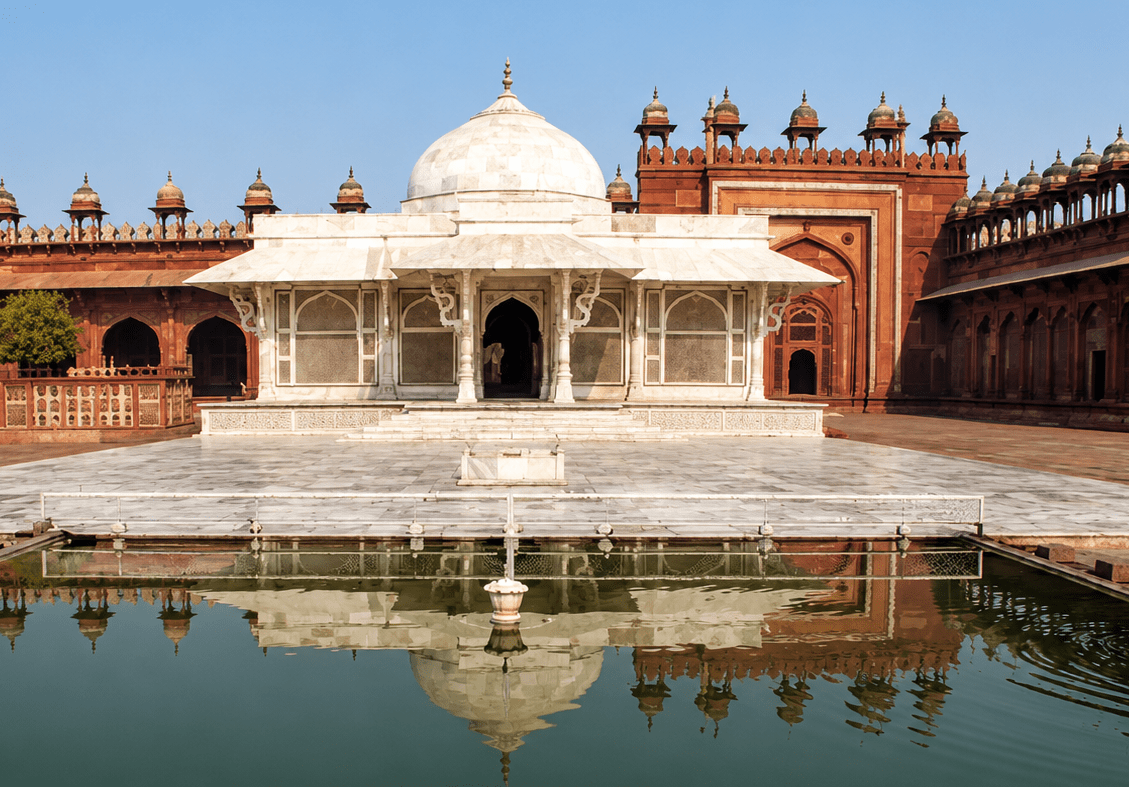
- Growth of Bhakti Movement in South India
- Sufi tradition of revering saints and spiritual intercession
- Mughal Emperor Akbar's promotion of Hindu temple architecture
- Teachings of Guru Nanak
Assertion (A): The Bhakti Movement helped in the growth of regional languages in India.
Reason (R): Bhakti saints composed their devotional songs and poetry in Sanskrit.
- A is true, but R is false.
- R is the reason for A.
- Both A and R are false.
- Only R is true, and A is false.
Most of the saint-poets of the medieval period denounced discrimination in society and upheld the principle of equality amongst human beings through their teachings and writings. According to you, what were the obstacles they may have encountered?
'Religion during the medieval period of Indian history was characterised by a combination of supreme devotion to God and a liberal approach.' Analyse this statement in the light of your understanding of the chapter.