
History & Civics
The Bhakti Movement brought significant transformations to Hinduism in India, starting around the 7th century CE in South India with the Nayanars and Alwars. It challenged the prevailing complexity, rigidity and ritualism of the Hindu religion. Many saints, often from humble backgrounds, propagated the message of devotion to a personal or formless God. The movement actively critiqued the caste system and rejected idol worship. It also endeavoured to elevate the position of women and encouraged the translation of Sanskrit texts into local languages. Its emphasis on equality, brotherhood and devotion attracted many, fostering internal reforms within Hinduism.
Based on the case study answer the following questions:
A. What was the core principle of Bhakti worship, common to both 'saguna' and 'nirguna' saints?
B. Name two social evils or practices within Hinduism that the Bhakti Movement challenged.
Composite Culture
3 Likes
Answer
A. The core principle of Bhakti worship, common to both the saguna and nirguna saints, was devotion (bhakti) — the worship of God as a manifestation of the Supreme Being through passionate love and personal devotion. Whether God was worshipped in a personal form (saguna) or as formless (nirguna), devotion to God was the central path.
B. Two social evils or practices within Hinduism that the Bhakti Movement challenged were the caste system and idol worship.
Answered By
3 Likes
Related Questions
What were the main features of the Sufi Movement?
Describe the impact of the Bhakti and Sufi movements on the society.
This is a picture of Jnaneshwara, the Bhakti saint.
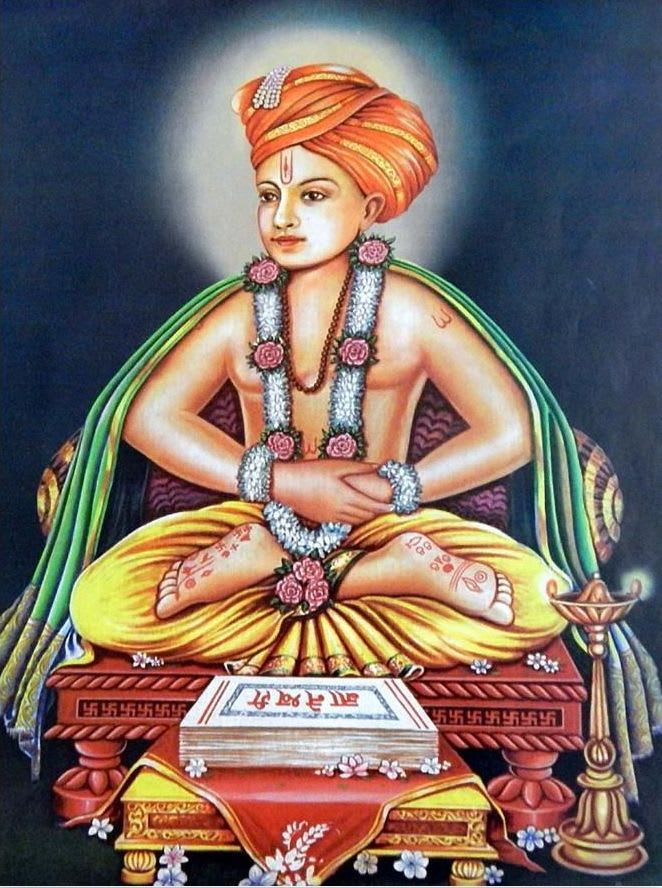
a. Name the Marathi commentary that he wrote on the Bhagvad Gita.
b. Which God did he worship?
c. In which place did he popularise the Bhakti cult?
This picture depicts a large golden-domed structure surrounded by a holy water tank (Amrit Sarovar), with a white marble walkway, while the temple is reflected in the water. Based on this information, answer the following:
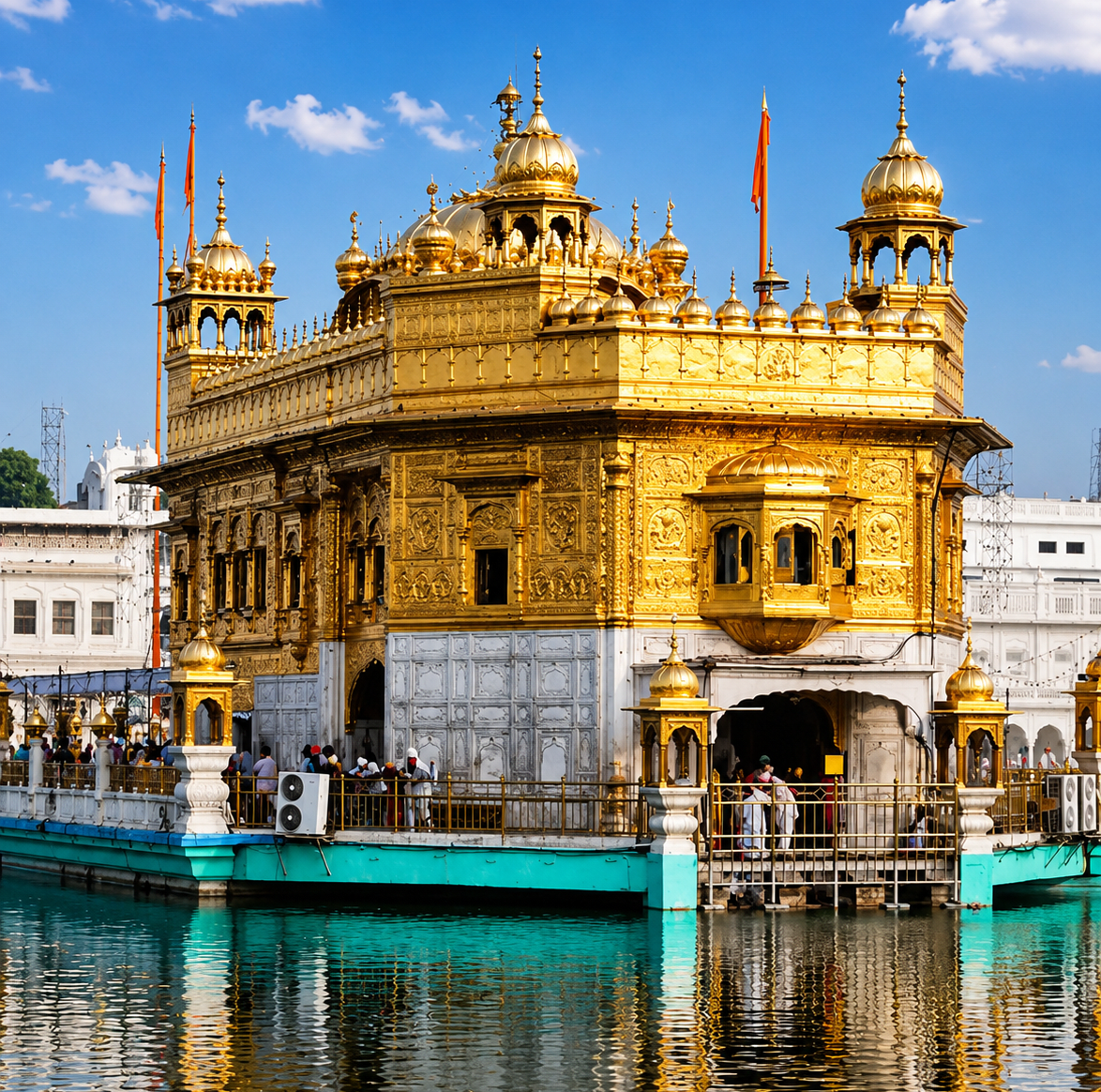
a. Identify the significant Sikh place of worship shown in the picture.
b. The Golden Temple is considered a symbol of Sikh identity. Name the five sacred symbols given by Guru Gobind Singh that represent the outward appearance of Sikhs.
c. How does the architectural style of the Golden Temple reflect the principle of universal brotherhood or openness, if at all?