
History & Civics
Describe the impact of the Bhakti and Sufi movements on the society.
Composite Culture
3 Likes
Answer
The Bhakti and Sufi movements had the following impact on society:
- The movements bridged the gaps between different castes and religions. Songs of the Bhakti saints were sung by all communities, while common people, regardless of their backgrounds, started offering prayers at the dargahs of the pirs.
- The use of vernacular languages resulted in the growth of literary works in regional languages.
- The common people could access the knowledge and truth imparted by scriptures and stopped feeling alienated from their own religion. In Hinduism, it undermined the supreme authority of the Brahmins.
- The movements revealed the futility of complex rites and rituals and elaborate codes of behaviour. Their philosophy of simple living struck a chord with the common people.
- The simple teachings of the Bhakti and Sufi saints remain relevant even today to maintain and foster a spirit of brotherhood across all communities and castes.
Answered By
3 Likes
Related Questions
State the main features of the Bhakti Movement in south India, pioneered by Nayanars and Alwars.
What were the main features of the Sufi Movement?
This is a picture of Jnaneshwara, the Bhakti saint.
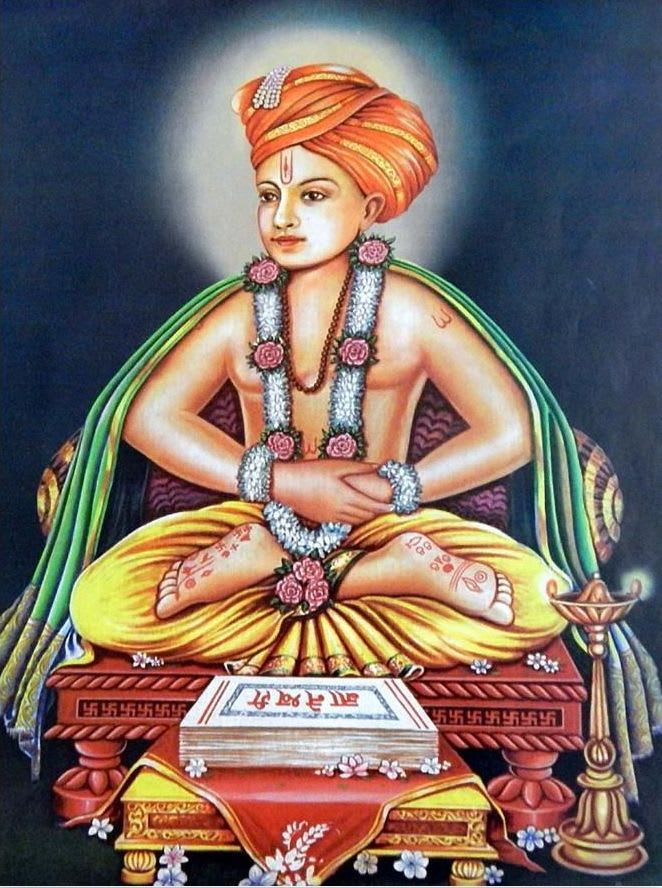
a. Name the Marathi commentary that he wrote on the Bhagvad Gita.
b. Which God did he worship?
c. In which place did he popularise the Bhakti cult?
This picture depicts a large golden-domed structure surrounded by a holy water tank (Amrit Sarovar), with a white marble walkway, while the temple is reflected in the water. Based on this information, answer the following:

a. Identify the significant Sikh place of worship shown in the picture.
b. The Golden Temple is considered a symbol of Sikh identity. Name the five sacred symbols given by Guru Gobind Singh that represent the outward appearance of Sikhs.
c. How does the architectural style of the Golden Temple reflect the principle of universal brotherhood or openness, if at all?