Mathematics
Refer the given sequence 23, 21(1/2) , 20, .... (a) Find the general term of the given sequence. (b) Which term is the last positive term in the sequence.
Related Questions
Ten times the tenth term of an A.P. is equal to fifteen times its fifteenth term. Find the twenty-fifth term of this A.P.
The sum of the 2nd term and the 7th term of an A.P. is 30. If its 15th term is 1 less than twice of its 8th term, find the A.P.
Case study:
Cable cars, at hill stations, are major tourist attractions. On a hill station, the length of a cable car ride from the base to the topmost point on the hill is 5000 m. Poles are installed at equal intervals on the way to provide support to the cable on which the car moves.The distance of the first pole from the base point is 200 m and subsequent poles are installed at equal intervals of 150 m. Further, the distance of the last pole from the top is 300 m.
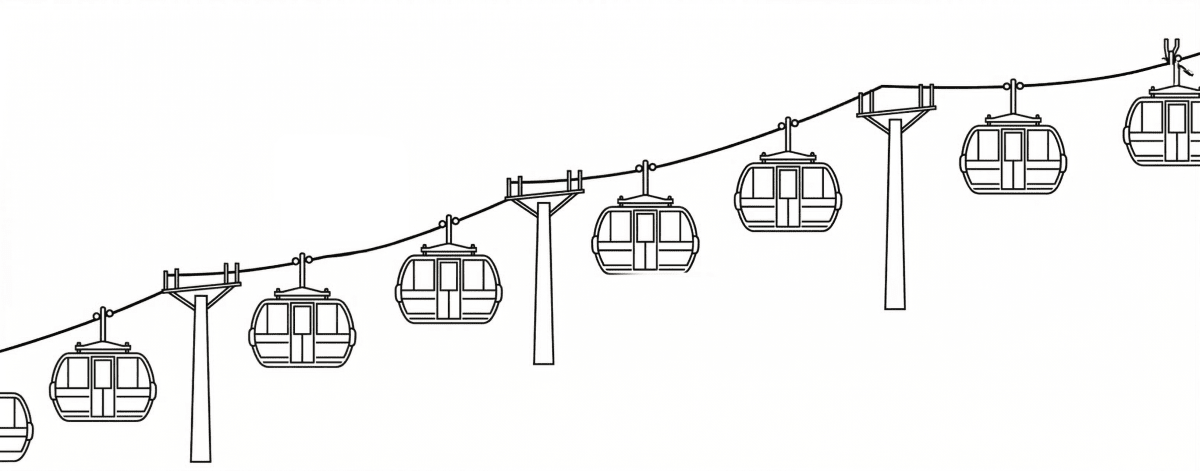
Based on above information, answer the following questions using Arithmetic Progression:
(i) Find the distance of the 10th pole from the base.
(ii) Find the distance between the 15th pole and 25th pole.
(iii) Find the time taken by the cable car to reach the 15th pole from the top if it is moving at a speed of 5 m/s and coming from the top.
Case study:
A school auditorium is to be constructed to accommodate at least 1500 people. The chairs are to be placed in a concentric circular arrangement in such a way that each succeeding circular row has 10 seats more than the previous one.(i) If the first circular row has 30 seats, how many seats will the 10th row have?
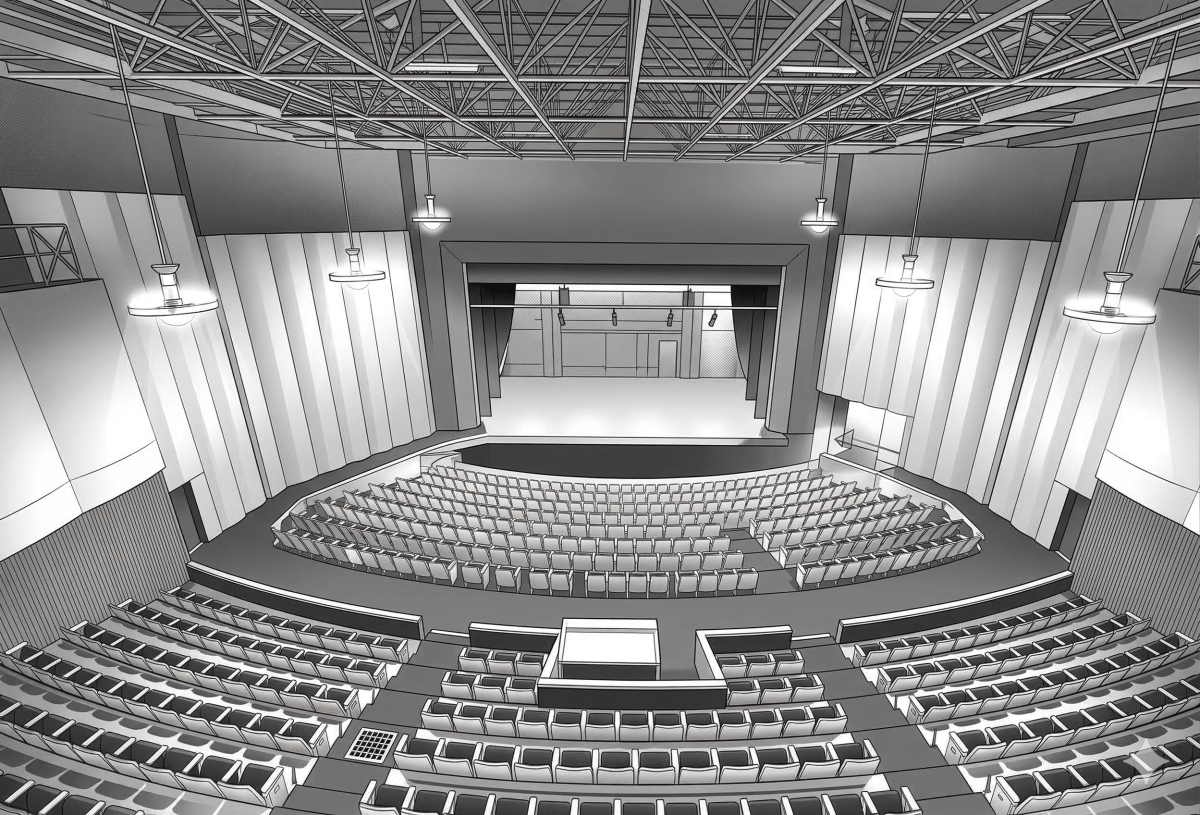
(ii) For 1500 seats in the auditorium, how many circular rows need to be there?
(iii) If there were 17 rows in the auditorium, how many seats will there be in the middle row?