
History & Civics
The Swadeshi and the Boycott Movement was an important landmark in the history of the National Movement in India. In this context, answer the following questions :
(a) Reasons for starting the Swadeshi and the Boycott Movement.
(b) Leaders of the movement.
(c) Various measures adopted to popularise the Swadeshi goods.
2ⁿᵈ Phase of INM
2 Likes
Answer
(a) The people started the Swadeshi and the Boycott Movement in 1905 to counteract the partition of Bengal. The Partition fueled widespread resentment among Indians, who viewed it as a deliberate attempt to divide and weaken the growing nationalist sentiment. The movement aimed to achieve economic self-reliance (Swadeshi) by promoting indigenous industries and boycotting British goods, thereby pressuring the government for political concessions.
(b) The key leaders of the Swadeshi and Boycott Moverment were Bal Gangadhar Tilak, Lala Lajpat Rai, and Bipin Chandra Pal. Other important leaders included Sri Aurobindo Ghose, Surendranath Banerjea, Rabindranath Tagore, K. K. Mitra, Bipin Chandra Pal, Anand Mohan.
(c) To revive the popularity of the indigenous goods, foreign goods were boycotted, to promote Indian industries and to provide employment to craftsmen. Overtime, Indian industries were expanded, and the markets sold Swadeshi products.
Answered By
2 Likes
Related Questions
Using the following points explain the methods of the Assertive/Radical Nationalists:
(a) Boycott
(b) National Education
(c) Passive Ressistance
How did the Early Nationalists and the Assertive/Radical Nationalists differ in the following fields?
(a) Their political goals
(b) Attitude towards the British rule
(c) Their method of work
With reference to the Surat Split of 1907, explain the following :
(a) Issues on which the two wings of the congress had difference
(b) Exploitation of the situation by the British
(c) Effect of the split on National Movement
With reference to the picture given, answer the following questions :
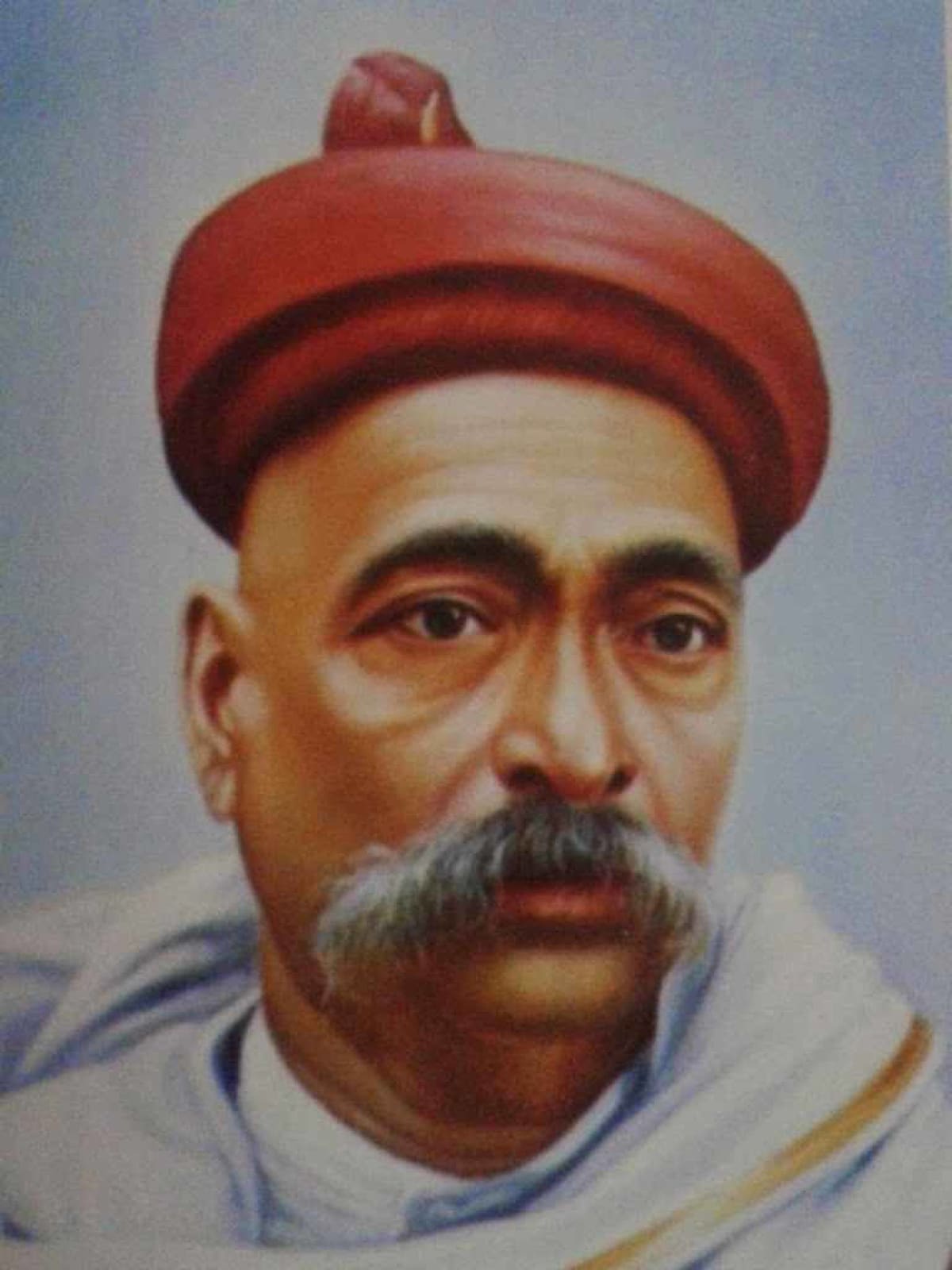
(a) Identify and name the person.
(b) Describe his efforts to instil the spirit of patriotism and nationalism in Indians.
(c) Describe the political beliefs and methods he advocated for their achievements.