History & Civics
Answer
- Mahatma Gandhi saw the Charkha as a symbol of a human society that would not glorify machines and technology.
- The spinning wheel, moreover, could provide the poor with supplementary income and make them self-reliant.
- Khadi does not seek to destroy all machinery but it does regulate its use and check its weedy growth.
- It uses machinery for the service of the poorest in their own cottages.
- The wheel is itself an exquisite piece of machinery.
Related Questions
Assertion (A): Gandhiji called off the Non-Cooperation Movement in 1922.
Reason (R): An unruly crowd burnt down a police station at Chauri-Chaura in 1922.
- Both A and R are true, and R is the correct explanation of A.
- Both A and R are true, but R is not the correct explanation of A.
- A is true, but R is false.
- A is false, but R is true.
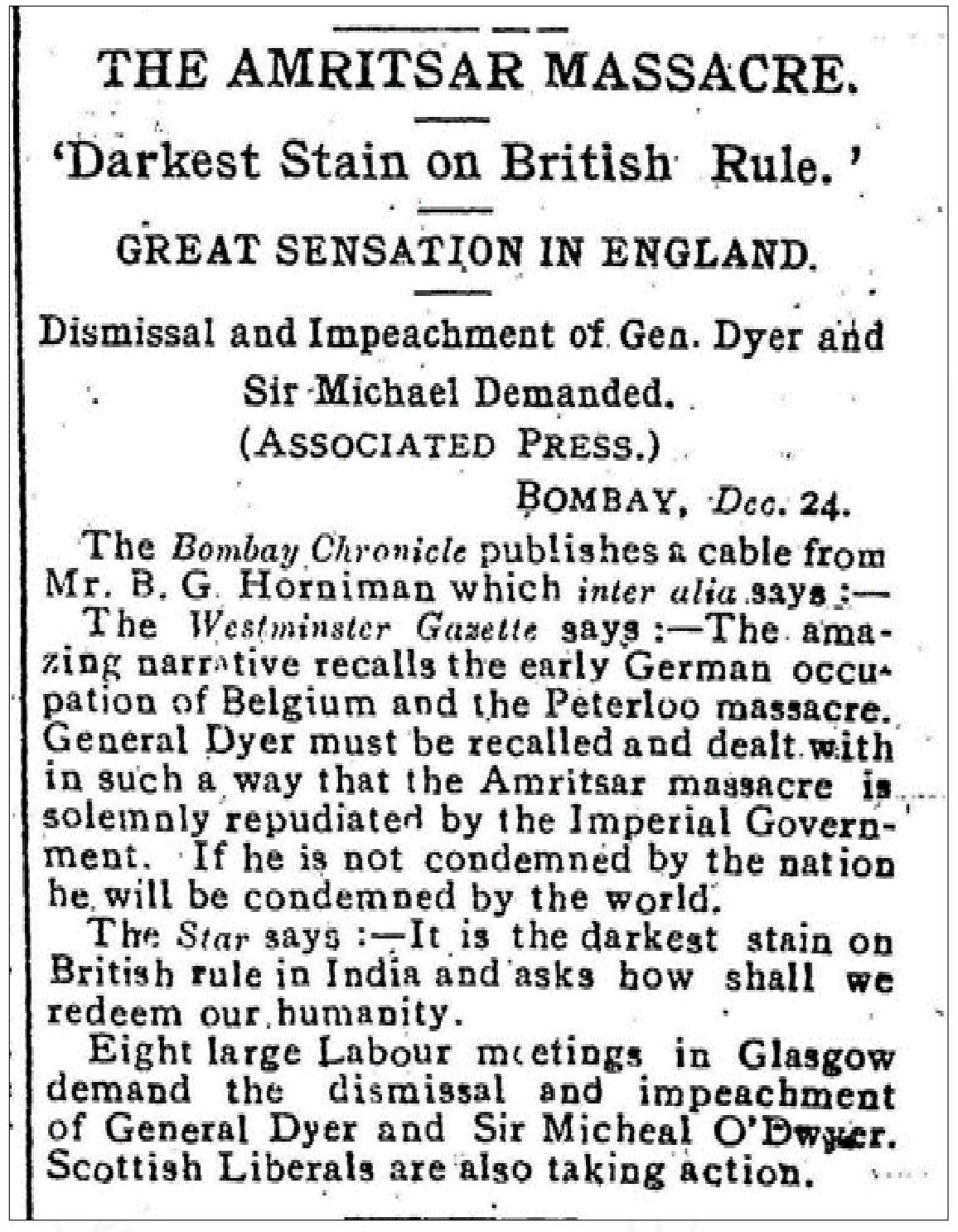
Name the incident related to the above newspaper article and examine the cause and effect of the incident.
Name two leaders linked with the Home Rule Leagues.
'The Lahore Session of the Indian National Congress in 1929 was a significant milestone in the Indian independence movement.'
Concerning the above statement, explain what made the Lahore session a momentous event in India's struggle for independence.