
Heat is a form of energy that makes particles move faster. Long ago, people thought heat was a fluid called 'caloric' but scientists like James Joule showed it is energy. Heat can be transferred by conduction, convection or radiation and is measured in joules. It causes changes like raising temperature, changing states of matter (like melting or boiling) and evaporation, which is faster with heat, wind and more surface area. Heat also causes materials to expand – solids a little, liquids more and gases the most. This idea led to inventions like thermometers and hot air balloons and is used in everyday life like in bridges, cooking and science tools.
Answer
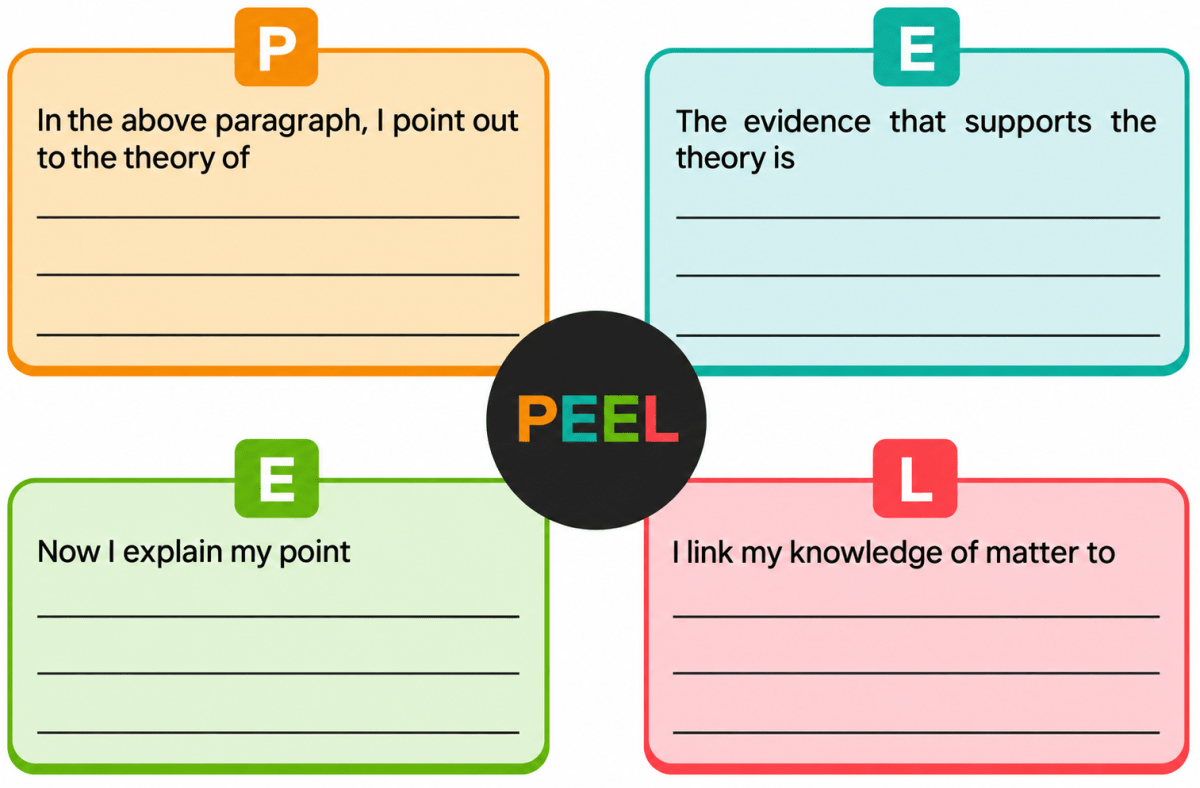
P – Point → In the above paragraph, I point out to the theory of: Heat being a form of energy rather than a fluid.
E – Evidence → The evidence that supports the theory is: Heat is measured in joules, makes particles move faster, and can cause materials to expand.
E – Explanation → Now I explain my point: Heat energy alters particle movement to raise temperatures and change states of matter. This energy transfers through three distinct methods: conduction, convection, and radiation.
L – Link → I link my knowledge of transfer of heat to: Practical everyday applications like cooking food and engineering expansion joints in bridges.
Read the given paragraph and answer the questions that follow.
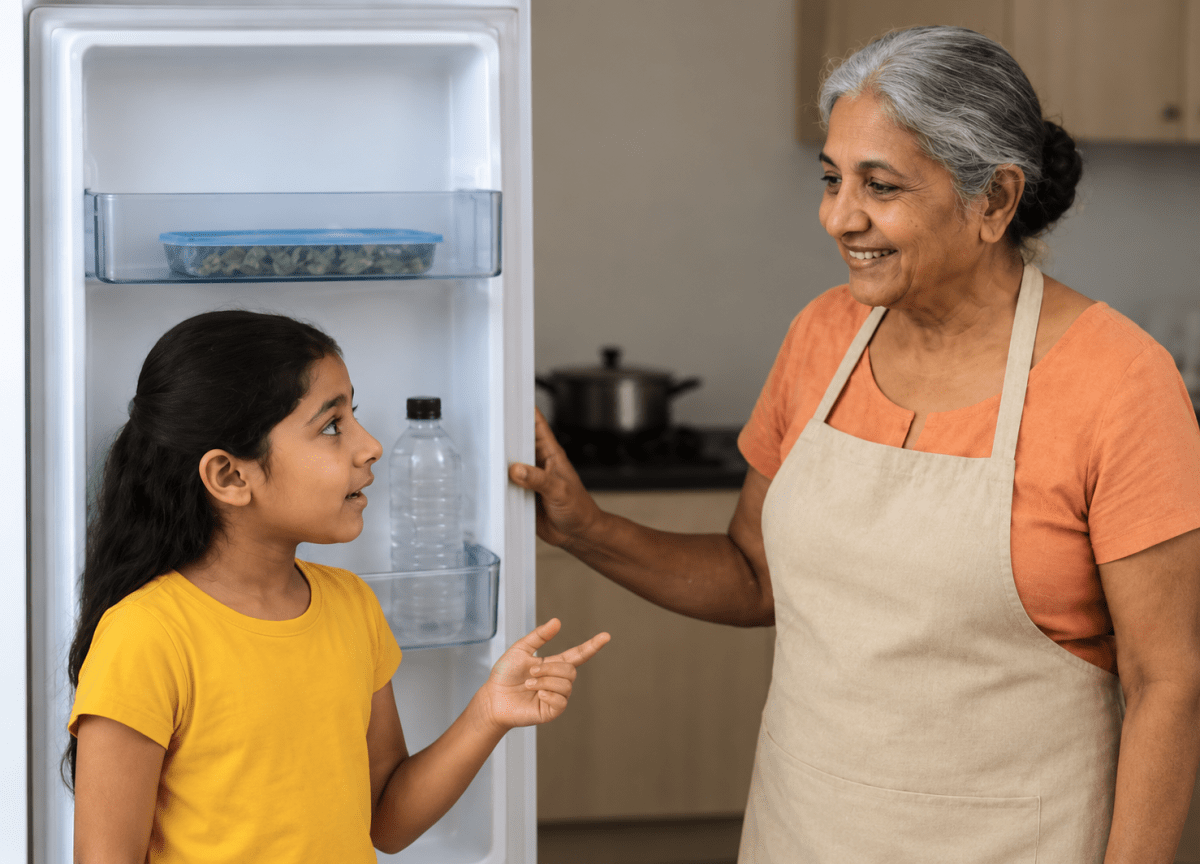
One hot summer afternoon, Shanaya was helping her grandmother in the kitchen. As she opened the fridge to take out a bottle of water, she noticed the ice tray was nearly empty. "Nani, why does ice melt so quickly in summer?" Shanaya asked curiously.
Her grandmother smiled and replied, "That's because of heat, dear. When it's hot, ice absorbs heat from the surroundings and changes into water. This is called melting."
Shanaya thought for a moment. "So, heat can change the state of things?"
"Yes!" said her grandmother, "Heat can cause many changes. It can make solids turn into liquids, like ice to water. It can also make liquids like water turn into gas, which we call evaporation."
Later that day, Shanaya left a metal spoon in a hot bowl of soup. When she picked it up, she quickly pulled her hand back. "Ouch! It's hot!"
Her grandmother gently said, "That's because heat travels through metal easily. That's called conduction. Heat moves from the hot soup to the spoon, and then to your hand."
Shanaya was amazed. She had never thought about how heat changes things around her. From melting ice to heating soup, she now knew heat had many effects — and she was eager to learn more.
- Why did Shanaya notice that the ice was melting quickly in the fridge?
- What changes can heat cause in the state of matter, according to Shanaya's grandmother?
- Describe what happened when Shanaya picked up the metal spoon from the soup and why.
- Explain the term 'conduction' as used in the story.
- How did Shanaya feel after learning about the effects of heat, and what does that tell you about her?
Answer
Shanaya noticed that the ice melted quickly in summer. Due to heat, ice absorbs heat from the surroundings and changes into water. This change of a solid into a liquid is called melting.
According to Shanaya's grandmother, heat can change the state of matter in two ways. It can make solids turn into liquids, like ice changing into water (melting), and it can make liquids like water turn into gas, which is called evaporation.
When Shanaya picked up the metal spoon, it felt very hot and she quickly pulled her hand back. This happened because metal allows heat to travel through it easily. The heat moved from the hot soup to the spoon and then to her hand by conduction.
Conduction is the process by which heat travels easily through a solid, such as metal. In the story, heat moves from the hot soup to the metal spoon and then to Shanaya's hand by conduction.
After learning about the effects of heat, Shanaya felt amazed and was eager to learn more. This tells us that she is a curious child who is interested in understanding the science behind everyday things.
Circle the word that does not belong to other words given alongside it.
- Melting, Boiling, Freezing, Sweeping
- Expansion, Evaporation, Conduction, Drawing
- Ice, Steam, Water, Stone
- Thermometer, Temperature, Heat, Ruler
- Sun, Candle, Fan, Heater
Answer
- Sweeping
Reason — Melting, boiling and freezing are changes of state caused by adding or removing heat, whereas sweeping is a cleaning activity and is not an effect of heat. - Drawing
Reason — Expansion, evaporation and conduction are all effects or processes related to heat, whereas drawing has nothing to do with heat. - Stone
Reason — Ice, steam and water are the three states of the same substance (water), whereas stone is a different substance. - Ruler
Reason — Thermometer, temperature and heat are all related to thermal phenomena, whereas a ruler is used to measure length. - Fan
Reason — The Sun, a candle and a heater are sources of heat, whereas a fan does not produce heat; it only gives a cooling effect.
Match the columns.
| Column A | Column B |
|---|---|
| 1. Melting | (a) Transfer of heat through solids |
| 2. Evaporation | (b) Solid changes into liquid |
| 3. Conduction | (c) Liquid changes into gas |
| 4. Expansion | (d) Measuring device for temperature |
| 5. Thermometer | (e) Objects increase in size when heated |
Answer
| Column A | Column B |
|---|---|
| 1. Melting | (b) Solid changes into liquid |
| 2. Evaporation | (c) Liquid changes into gas |
| 3. Conduction | (a) Transfer of heat through solids |
| 4. Expansion | (e) Objects increase in size when heated |
| 5. Thermometer | (d) Measuring device for temperature |
Answer in one or a few word(s).
- What is heat?
- Define one calorie.
- What is the effect of temperature on evaporation?
- Why are the water and steam pipes given a U-bend?
- How does the density of a substance change with temperature?
Answer
- Heat is a form of energy which results in the sensation of hotness or coldness.
- One calorie is the amount of heat required to raise the temperature of 1 g of water by 1°C.
- The higher the temperature, the greater the rate of evaporation.
- To allow for thermal expansion and contraction.
- Generally, the density of a substance decreases with an increase in temperature. Water is an exception from 0°C to 4°C, where its density increases and is maximum at 4°C.
Write the correct word(s) in the given blanks.
- The change of a substance from its liquid state to its gaseous state by absorbing heat from the surroundings at any temperature below its boiling point is called ............... .
- When a solid is heated, there is an increase in the average ............... energy of the molecules of the solid.
- There is more increase in the volume of a liquid when there is a greater rise in ............... of a liquid.
- The molecules in gases possess negligible ............... forces of attraction as compared to solids and liquids.
- ............... strips are used in electrical devices, thermometers and heat engines to control temperature.
Answer
- The change of a substance from its liquid state to its gaseous state by absorbing heat from the surroundings at any temperature below its boiling point is called evaporation.
- When a solid is heated, there is an increase in the average kinetic energy of the molecules of the solid.
- There is more increase in the volume of a liquid when there is a greater rise in temperature of a liquid.
- The molecules in gases possess negligible intermolecular forces of attraction as compared to solids and liquids.
- Bimetallic strips are used in electrical devices, thermometers and heat engines to control temperature.
Write True or False for the following statements.
- The filament of the electric bulb is made of platinum or tungsten.
- The increase in the area of a solid when heat is supplied to it is called linear expansion.
- Boiling takes place at all temperatures.
- Sublimation is the process of change of a gas into its solid state, without changing to its liquid state.
- On supplying heat to a solid, molecules gain energy and start vibrating in a vigorous manner.
Answer
- True
- False
Corrected Statement — The increase in the area of a solid when heat is supplied to it is called superficial expansion. - False
Corrected Statement — Boiling takes place at a particular fixed temperature called the boiling point. (It is evaporation that takes place at all temperatures.) - False
Corrected Statement — Sublimation is the process of change of a solid directly into its gaseous state, without changing to its liquid state. - True
Find errors in the given sentences and correct them.
- Ice boils when it absorbs heat from the surroundings.
- Heat flows from a colder object to a hotter object.
- A thermometer is used to measure the weight of an object.
- Condensation is the process wherein a solid changes into liquid.
- Metals are bad conductors of heat.
Answer
- Ice melts when it absorbs heat from the surroundings.
- Heat flows from a hotter object to a colder object.
- A thermometer is used to measure the temperature of an object.
- Condensation is the process wherein a gas (vapour) changes into liquid.
- Metals are good conductors of heat.
Give reason — Solidification is the change of a substance from liquid to solid state at a fixed temperature.
Answer
During solidification, the molecules of the liquid lose heat energy to the surroundings. As a result, they come closer and arrange themselves into a fixed pattern. This change from liquid to solid takes place at a fixed temperature called the freezing point.
Give reason — When you spray perfume or spirit on your hand, it immediately evaporates giving you a cool sensation.
Answer
When perfume or spirit is sprayed on the hand, it evaporates by absorbing heat from the surroundings, including from the hand. As heat is taken away from the hand, the temperature of the hand decreases, which gives a cool sensation.
Give reason — It takes longer to cook vegetables or boil rice at mountains.
Answer
At mountains, the atmospheric pressure is lower than at the plains. Since the boiling point of a liquid decreases with a decrease in atmospheric pressure, water boils at a lower temperature on mountains. As the food cooks at this lower temperature, it takes longer to cook vegetables or boil rice.
Give reason — When the railway tracks made of steel are laid, some gap is always left between the successive rail tracks.
Answer
Steel expands in summer and contracts in winter. A gap is left between successive rail tracks so that the tracks have space to expand in the summer. If no gap is left, the tracks would bend outwards due to expansion, which may lead to the derailment of a train.
Give reason — It is recommended not to fill a bottle to the top in summer.
Answer
Liquids expand on heating. In summer, the liquid in a bottle gets hot and expands. If the bottle is filled to the top, there is no space for the liquid to expand and it would overflow. Therefore, some space is left so that the liquid can expand without spilling.
How does heat affect the state and size of substances?
Answer
On heating, a substance can change its state, for example a solid can melt into a liquid and a liquid can change into a gas. Heat also increases the size of a substance, as most substances expand (their length, area and volume increase) on heating. On cooling, the reverse changes take place.
What is vaporisation?
Answer
Vaporisation (boiling) is the change of a substance from its liquid state into its vapour state (gas) at a fixed temperature by absorbing heat. For example, the change of water into steam is vaporisation.
Write the factors affecting the cubical expansion of liquids.
Answer
The factors affecting the cubical expansion of liquids are:
- Original volume of the liquid.
- Rise in temperature of the liquid.
- Nature of the liquid.
What is sublimation?
Answer
Sublimation is the change of a substance from its solid state directly into its gaseous state, without changing into the liquid state. For example, camphor and naphthalene undergo sublimation.
How is the principle of thermal expansion used in thermometer?
Answer
A thermometer uses a thermometric liquid which has the ability to expand on heating. When the bulb is placed in contact with a body, the liquid expands and rises in the capillary tube. The temperature of the body is read from the scale graduation corresponding to the level of the liquid.
Why do solids, liquids and gases expand on heating?
Answer
Matter is made up of molecules which are constantly vibrating. When a substance is heated, its molecules gain energy and start vibrating faster. Because of this, the intermolecular distance between the molecules increases, which causes the substance to expand.
The extent of expansion is different for the three states of matter:
- Solids expand the least, because their molecules are tightly packed with strong intermolecular forces.
- Liquids expand more than solids, as their molecules are less tightly packed.
- Gases expand the most, because their molecules possess negligible intermolecular forces of attraction.
What are the factors that affect evaporation?
Answer
The factors that affect evaporation are:
- Area of the exposed surface — The greater the exposed surface area of the liquid, the faster is the evaporation.
- Temperature of the liquid — The higher the temperature of the liquid, the greater the rate of evaporation.
- Temperature of the surroundings — Evaporation increases when the temperature of the surroundings is higher.
- Nature of the liquid — Different liquids have different rates of evaporation.
- Presence of wind — The presence of wind increases the rate of evaporation.
- Presence of moisture in the air — Evaporation slows down when there is more moisture in the air.
How many types of expansion in solids are there? Explain.
Answer
There are three types of expansion in solids.
- Linear expansion — It is the increase in the length of a solid when it is heated. For example, a metal rod becomes slightly longer on heating.
- Superficial expansion — It is the increase in the area of a solid when heat is supplied to it. For example, a metal plate increases in area on heating.
- Cubical expansion — It is the increase in the volume of a solid on heating. For example, a metal cube increases in volume on heating.
For a given solid, the coefficients of linear, superficial and cubical expansion are in the ratio α : β : γ = 1 : 2 : 3.
Write some applications of expansion of solids in daily life.
Answer
Some applications of expansion of solids in daily life are:
- A small gap is left between concrete slabs while making cement roads or floors to allow for their expansion.
- Electricity and telephone wires are laid a little loose to allow for their expansion in summer and contraction in winter.
- A gap is left between successive railway tracks to allow for the expansion of the steel tracks.
- One end of a metal bridge is kept on rollers so that it is free to expand and contract.
- Pipes carrying hot liquids are arranged in the form of loops to allow for their expansion and contraction.
- Bimetallic strips are used in electrical devices, thermometers and heat engines to control temperature.
- An iron rim is heated to expand it before fixing it on a wooden wheel; on cooling, it contracts and fits tightly.
Differentiate between boiling and evaporation.
Answer
| Boiling | Evaporation |
|---|---|
| Boiling takes place at a particular temperature called the boiling point of the liquid. | Evaporation takes place at all temperatures. |
| It is a fast process. | It is a slow process. |
| It takes place throughout the bulk of the liquid. | It takes place only at the surface of the liquid. |
| Movement of bubbles with sound can be observed. | It is a silent process; no movement or sound is observed. |
| Heat has to be supplied from an outside source. | No external source of heat is required; energy is taken from the surroundings. |
Read the given case study and answer the questions that follow.
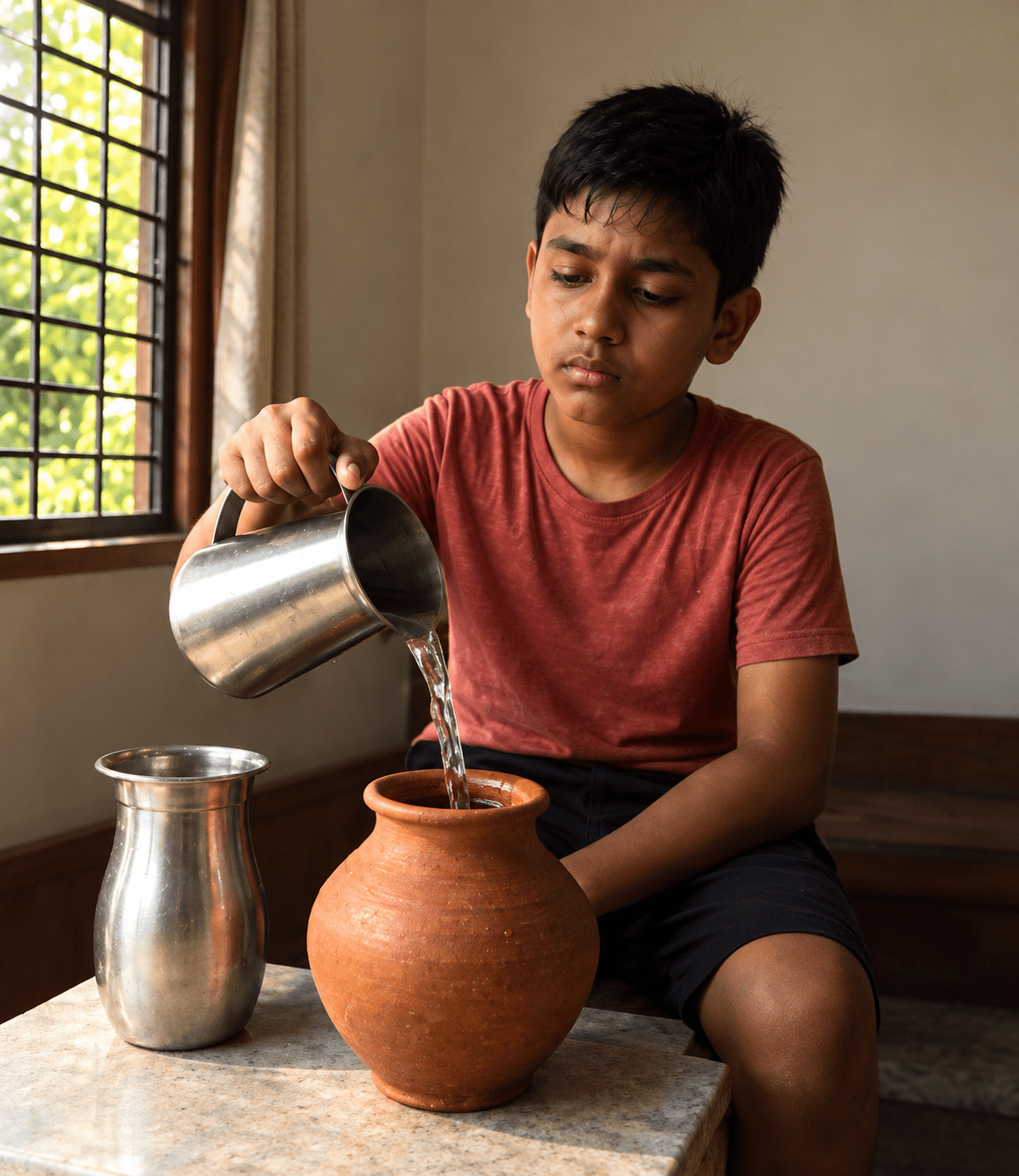
It was a hot afternoon in June. Sam came back from school, sweating and tired. As he entered the room, he quickly switched on the ceiling fan, but it didn't work. His mother explained that there was a power cut in their area. Sam opened the window and sat near it. He noticed that even the air coming from the window felt hot. He walked to the kitchen to drink water, but the steel jug was also warm. Disappointed, he poured the water into an earthen pot kept nearby. After an hour, he checked again and found the water cool.
That evening, his science teacher had assigned a chapter on 'Heat and its Effects'. As Sam read the chapter, everything he experienced during the day started to make sense. He understood that the hot air near the window was due to the sun heating the ground and air outside. The steel jug became hot because metal is a good conductor of heat. On the other hand, the water in the earthen pot was cool due to evaporation — water slowly seeped through the porous walls of the pot and evaporated, taking away some heat.
- What everyday effects of heat did Sam observe in this situation?
- Why did the steel jug become warm, while the earthen pot kept the water cool?
- Explain how evaporation helped cool the water in the earthen pot.
- How does this case show that heat can travel through conduction and cause changes in temperature?
- What did Sam learn about heat and its effects through his real-life experiences?
Answer
Sam observed several everyday effects of heat: the air near the window felt hot because the sun heated the ground and air outside, the steel jug became warm due to conduction, and the water in the earthen pot became cool due to evaporation.
The steel jug became warm because metal is a good conductor of heat, so it quickly absorbed and passed on the heat. The earthen pot kept the water cool because its walls are porous; water seeped through the walls and evaporated, taking away heat and cooling the water inside.
The water slowly seeped through the porous walls of the earthen pot and evaporated from the surface. During evaporation, the water absorbed heat from the remaining water in the pot. This loss of heat lowered the temperature of the water, keeping it cool.
The steel jug became hot because heat travelled through the metal by conduction, since metal is a good conductor of heat. This shows that heat can travel through a material by conduction and cause a change in its temperature.
Sam learnt that heat has many effects in daily life. He understood that heat can travel through metals by conduction, that it can warm the air and objects, and that evaporation has a cooling effect. In this way, he connected the chapter on heat with his real-life experiences.
Read the given information carefully and answer the questions that follow.
Thermal expansion impacts building materials, but the effects can vary greatly depending on the specific material. Generally, building materials that expand rapidly when exposed to an increased temperature — such as glass and metal — are susceptible to more dramatic changes caused by expansion. A material's coefficient of thermal expansion can result in a change in the length or volumetric coefficient of the material, and this must be taken into account when designing a structure.
On the other hand, building materials composed of aggregates — such as concrete and stone — may not shrink or expand significantly when heated or cooled. However, building materials in these categories will still experience stresses due to the unequal distribution of heat throughout their components, which can weaken structures over time. Therefore, builders need to take into consideration the effects of thermal expansion when determining building material selections for a project.
Source: https://greengirt.com/articles/the-effects-of-thermal-expansion-with-common-building-materials/
- What is thermal expansion?
- How does it happen in solids?
- What building materials should be used to avoid thermal expansion?
Answer
Thermal expansion is the property of matter in which the temperature of a substance is increased, resulting in the expansion of the substance.
In solids, on heating, the molecules gain kinetic energy and start vibrating faster about their mean positions. This increases the intermolecular distance between the molecules, causing the solid to expand in length, area and volume.
Building materials composed of aggregates, such as concrete and stone, should be used, as they do not shrink or expand significantly when heated or cooled.
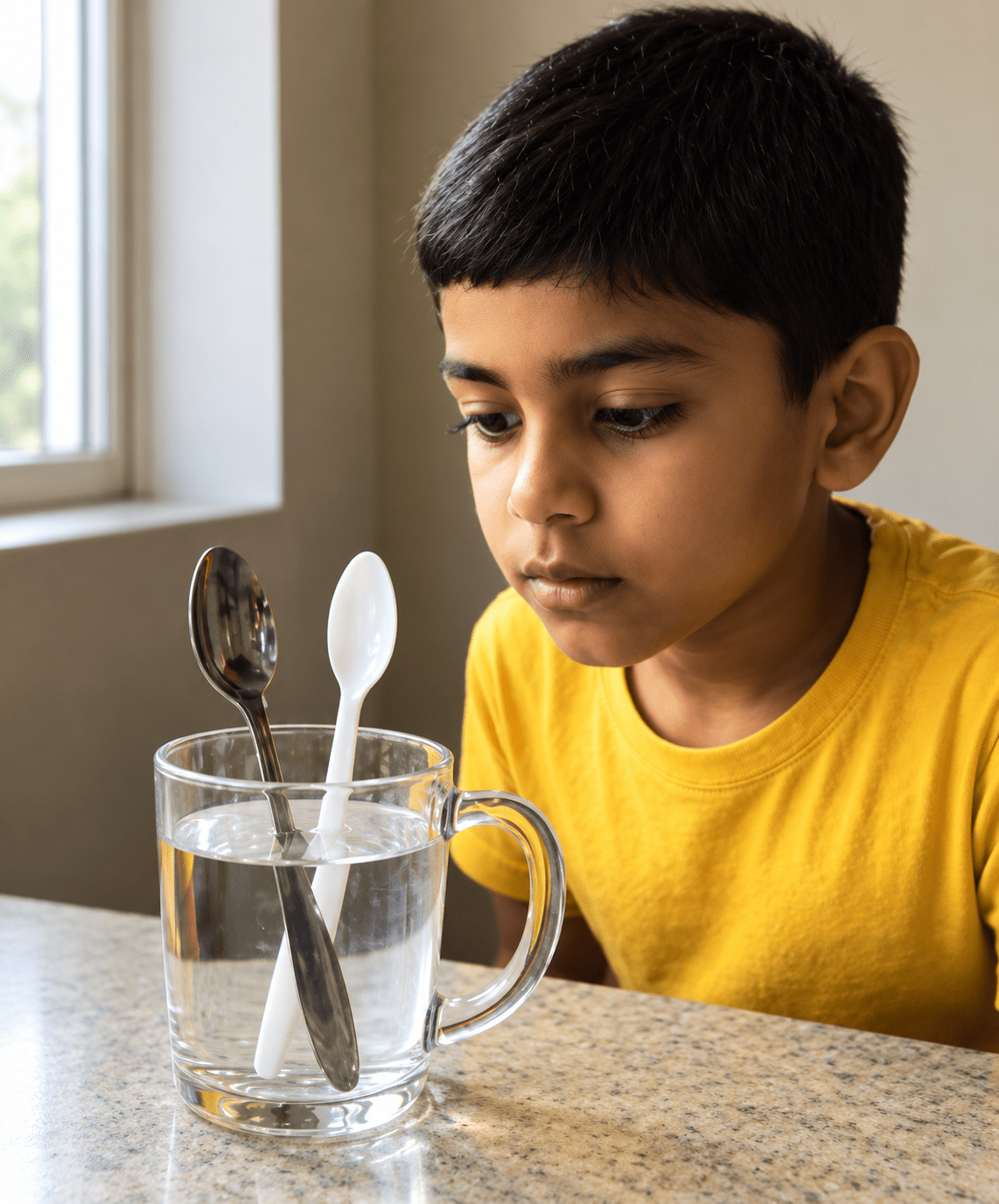
Sunil placed a metal spoon and a plastic spoon in hot water. After five minutes, only the metal spoon became hot. Why did this happen? What does it tell us about the materials used?
Answer
Only the metal spoon became hot because metal is a good conductor of heat. It quickly conducted the heat from the hot water to its other end. The plastic spoon did not become hot because plastic is a bad conductor of heat and does not allow heat to pass through it easily. This tells us that metals are good conductors of heat, while plastic is a bad conductor (insulator) of heat.
Compare what happens to solids, liquids and gases when heat is applied. How does each state of matter behave differently when heated?
Answer
When heat is applied, all three states of matter expand, but to different extents.
- Solids expand the least, as their molecules are tightly packed. A solid can show linear, superficial and cubical expansion.
- Liquids expand more than solids. A liquid shows only cubical (volume) expansion.
- Gases expand the most, as their molecules have negligible intermolecular forces. A gas also shows only cubical expansion.
In addition, on continued heating, a solid can change into a liquid and a liquid can change into a gas.
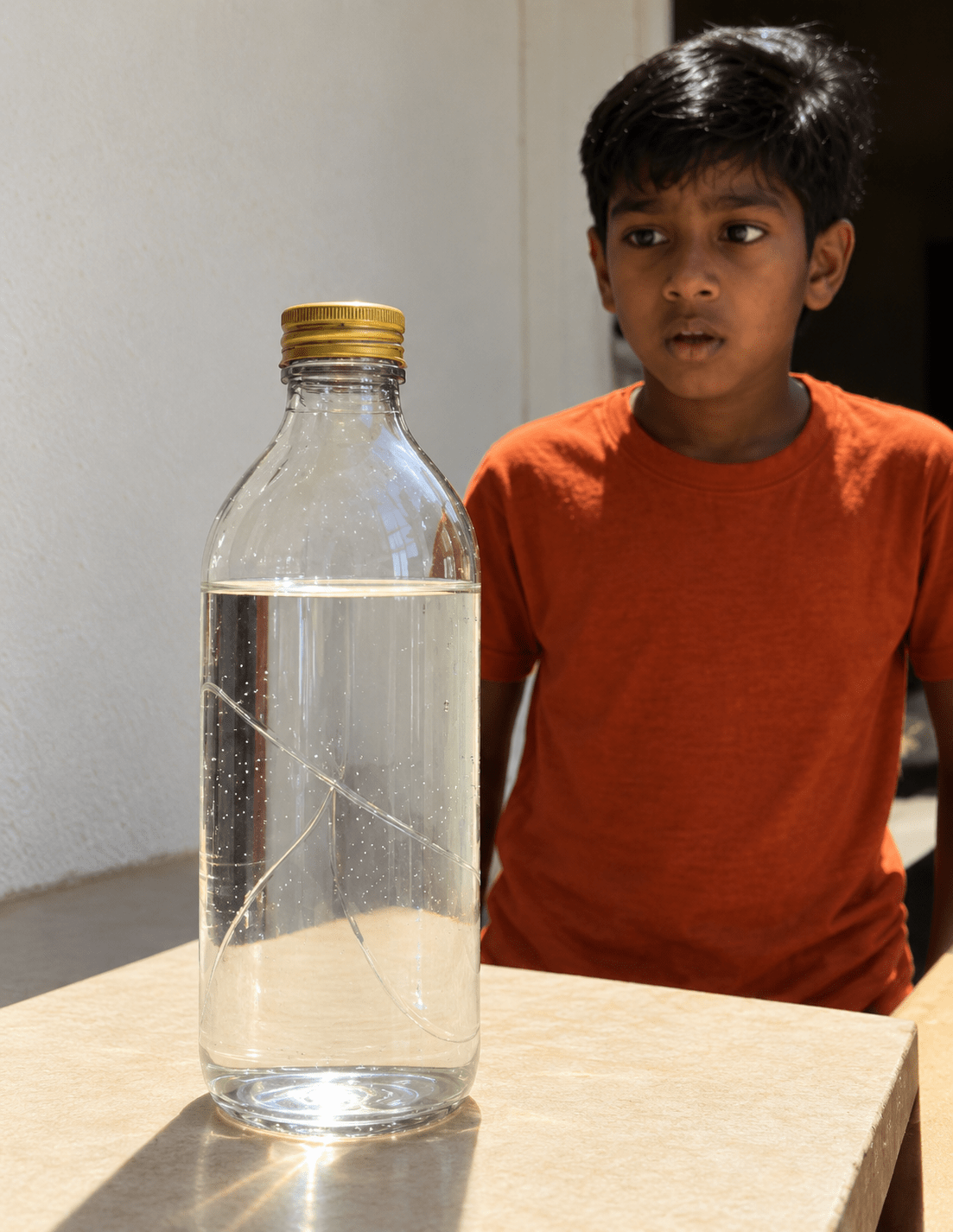
You accidentally left a sealed glass bottle filled with water in the sun. After some time, you notice the glass cracked. Explain why this might have happened.
Answer
When the sealed bottle was left in the sun, both the water and the glass bottle expanded on heating. Since water expands much more than glass and the bottle was completely filled and sealed, the expanding water exerted great pressure on the bottle. This unequal expansion of water and glass caused the bottle to crack.
You want to keep your drinking water cool during summer without a fridge. Suggest a method and explain how it works based on the effects of heat.
Answer
I would store the drinking water in an earthen pot. The walls of an earthen pot are porous, so water slowly seeps through them to the outer surface and evaporates. During evaporation, the water absorbs heat from the water inside the pot. This loss of heat lowers the temperature of the water, keeping it cool even without a fridge.
Design a simple experiment to show that heat causes expansion in solids. What materials will you use? What will you observe?
Answer
Aim: To show that heat causes expansion in solids.
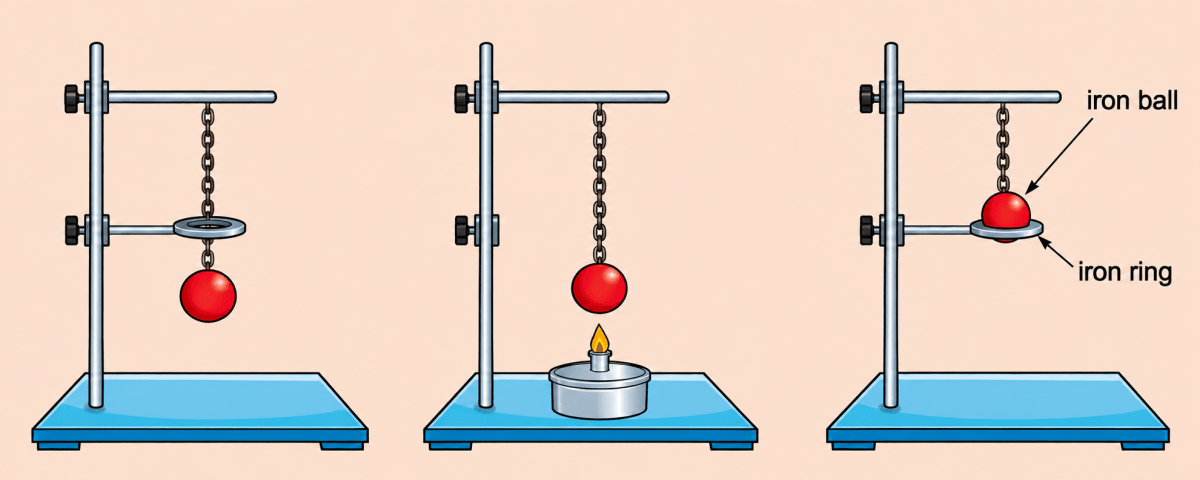
Materials required: A Bunsen burner, an iron stand, a metal ball attached to an iron chain, and a ring whose diameter is only slightly more than the ball, so that the ball can just pass through it.
Procedure:
- First, allow the metal ball to pass through the ring. It passes easily.
- Now heat the metal ball over the burner for some time.
- Again try to pass the ball through the ring and observe.
- Cool the ball and try once more.
Observation: After heating, the metal ball does not pass through the ring because its diameter increases on heating. After cooling, it passes through the ring again.
Conclusion: This shows that solids expand on heating and contract on cooling.
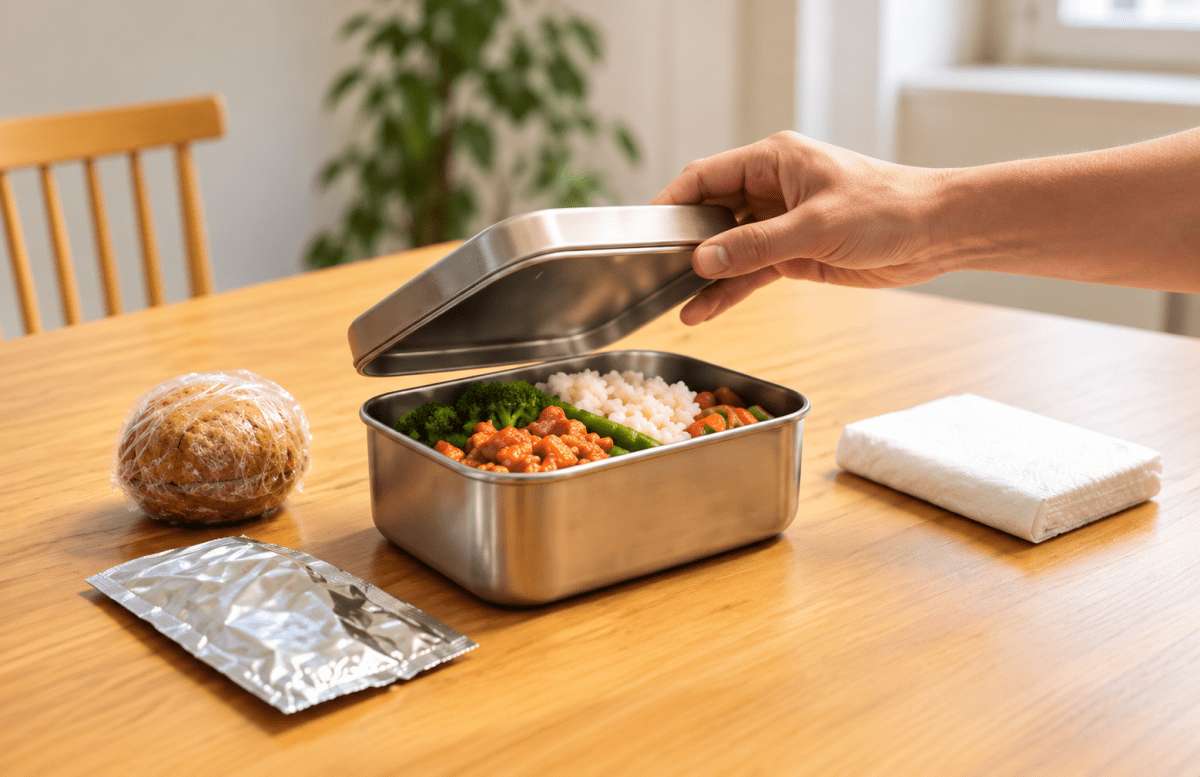
Imagine a new type of lunch box that keeps food warm without electricity. What materials would you use and how would they make use of heat's properties?
Answer
I would design the lunch box with double walls and air or a vacuum between them, as they are poor conductors of heat and reduce heat loss. The inner walls would be lined with a shiny layer, and the box would have a tight-fitting insulating lid. The outer body would be made of plastic, a bad conductor of heat. Thus, the lunch box would keep food warm for a long time by reducing heat transfer to the surroundings.
One summer afternoon, Gauri touched a metal railing that had been in the sun. It felt very hot. Later, she saw water boiling in a kettle and steam escaping. She asked her teacher how heat causes such changes in different materials.

- What is heat?
- How does heat affect the state of a substance?
- What do we call the measurement of how hot or cold an object is?
- Which physical states can change due to heat?
- What is the role of heat in converting water to steam?
Answer
Heat is a form of energy which results in the sensation of hotness or coldness.
On heating, a substance can change its state. For example, a solid can change into a liquid and a liquid can change into a gas.
The measurement of how hot or cold an object is, is called temperature.
The three physical states — solid, liquid and gas — can change into one another due to heat.
When heat is supplied to water, it is absorbed by the water. On reaching its boiling point, the water changes into steam (vapour). Thus, heat is used to change the state of water from liquid to gas.
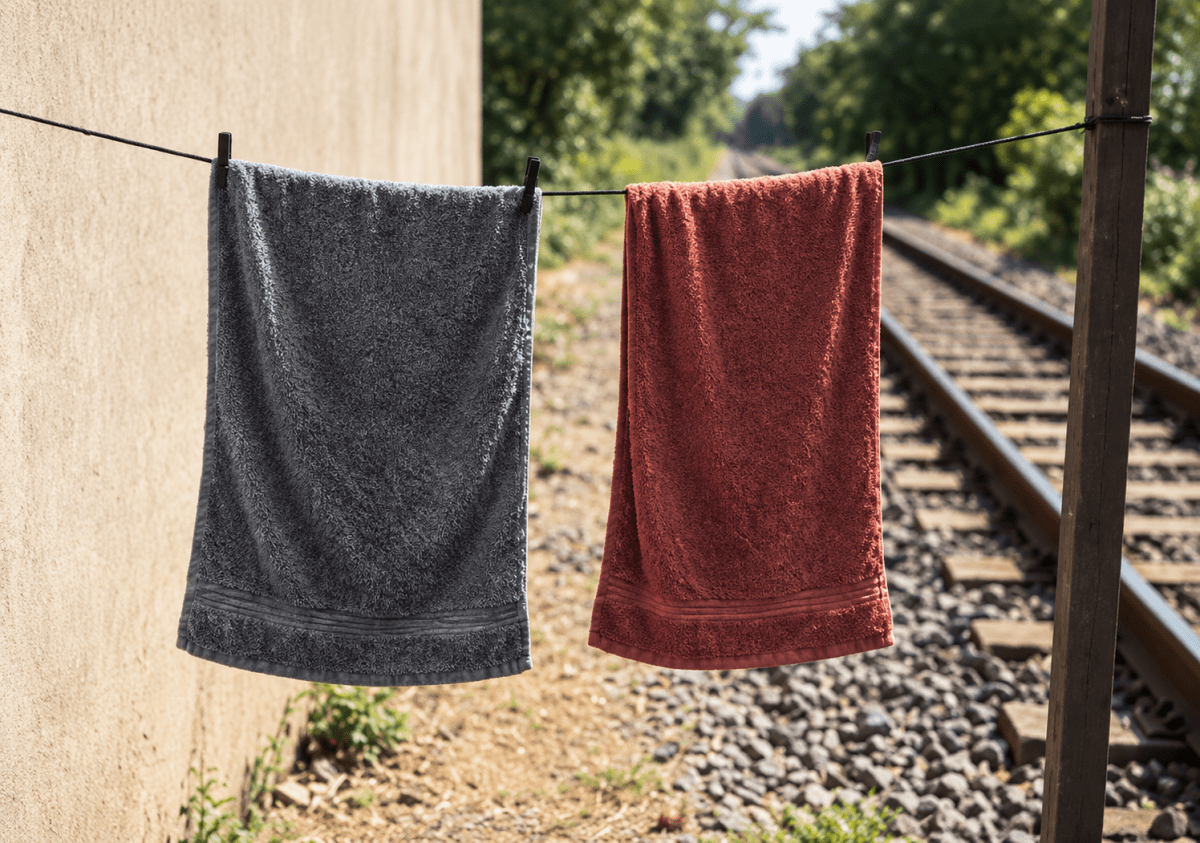
Rajiv left two wet towels to dry — one outside in sunlight and one in the shade. The one in sunlight dried faster. His sister told him it was due to evaporation. Later, they observed how railway tracks had gaps between them and wondered why that was necessary.
- What factors affect the rate of evaporation?
- Why does evaporation occur faster in sunlight?
- What do we call the increase in size of materials when heated?
- Why do engineers leave gaps between railway tracks?
- Which state of matter shows the maximum thermal expansion?
Answer
- Factors affecting the rate of evaporation:
- Area of the exposed surface.
- Temperature of the liquid.
- Temperature of the surroundings.
- Nature of the liquid.
- Presence of wind.
- Presence of moisture (humidity) in the air.
Evaporation occurs faster in sunlight because sunlight increases the temperature of the liquid and of the surroundings. A higher temperature increases the rate of evaporation, so the wet towel in sunlight dries faster.
The increase in the size of materials when heated is called thermal expansion.
Engineers leave gaps between railway tracks to allow for the expansion of the steel tracks in summer. If no gaps are left, the tracks would bend due to expansion, which may cause derailment.
Gases show the maximum thermal expansion.
In a science lab, students placed a metal ball through a ring. It passed easily at room temperature. Then they heated the ball and tried again — it no longer passed through. They also placed thermometers in hot and cold water and watched how the reading changed.
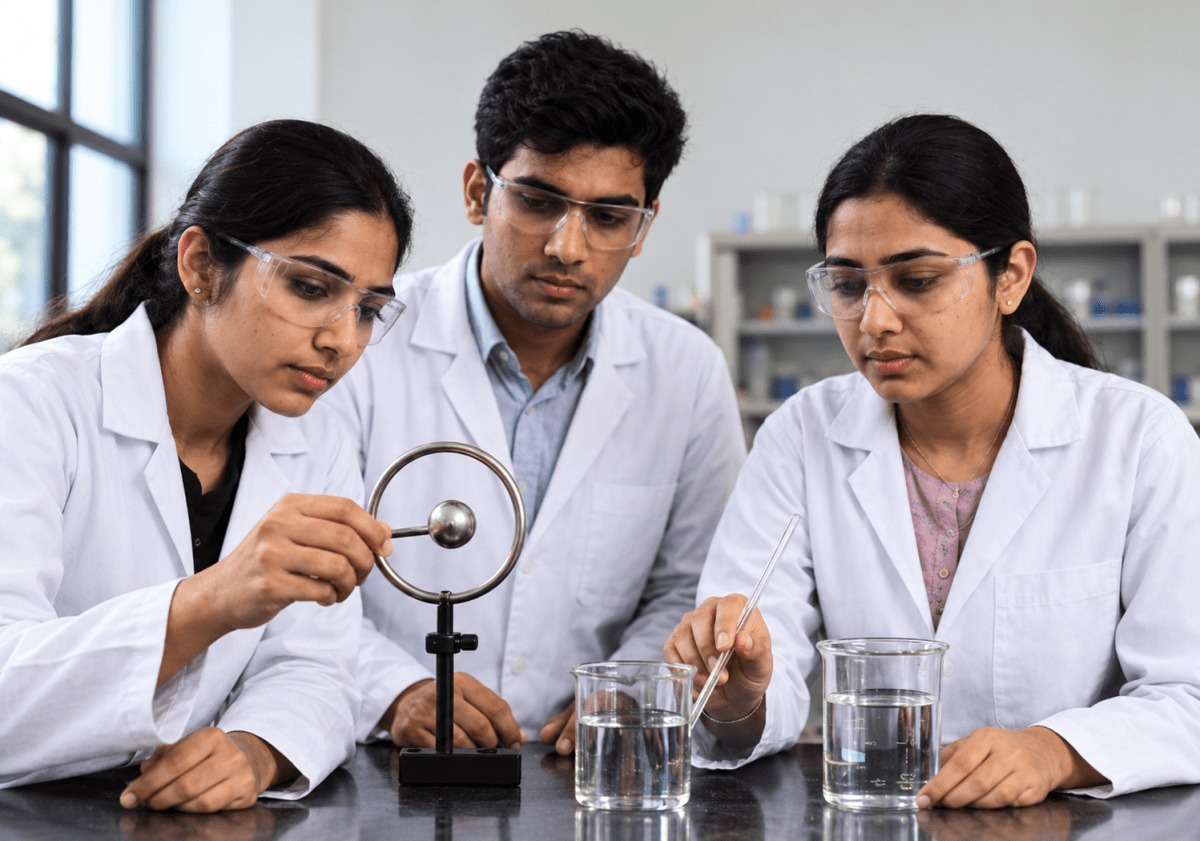
- What does the metal ball activity show about solids when heated?
- What is thermal expansion?
- What is the use of a thermometer?
- What does a rise in thermometer reading indicate?
- Why did the metal ball not pass through the ring after heating?
Answer
The metal ball activity shows that solids expand on heating, as the heated ball no longer passes through the ring.
Thermal expansion is the property of matter in which the temperature of a substance is increased, resulting in the expansion of the substance.
A thermometer is used to measure the temperature of a body.
A rise in the thermometer reading indicates an increase in the temperature of the body.
The metal ball did not pass through the ring after heating because its diameter increased on heating due to thermal expansion.
Pakhi wondered how hot air balloons rise in the sky, and why bridges have special joints. Her teacher explained that heating affects gases more than solids and that engineers use the knowledge of heat and expansion to design safe structures.

- How does heating cause a hot air balloon to rise?
- Why do gases expand more than solids and liquids when heated?
- How is the concept of thermal expansion used in bridge construction?
- What might happen if thermal expansion is not considered in engineering?
- How does knowledge of heat and its effects help in real life?
Answer
When the air inside a hot air balloon is heated, it expands and becomes less dense than the surrounding cool air. As a result, the buoyant force (upthrust) exerted by the surrounding air on the balloon becomes greater than its weight. Therefore, the balloon rises into the sky.
Gases expand more than solids and liquids because the molecules of a gas possess negligible intermolecular forces of attraction. On heating, they move vigorously in the available space, so the intermolecular distance increases much more than in solids and liquids.
In bridge construction, one end of a metal bridge is kept on rollers and special joints (gaps) are left so that the bridge is free to expand in summer and contract in winter without getting damaged.
If thermal expansion is not considered in engineering, structures such as railway tracks and bridges may bend, crack or get damaged due to the expansion of the material in hot weather.
The knowledge of heat and its effects helps in real life in designing safe structures like bridges and railway tracks, in making thermometers, in cooking, and in avoiding damage caused by thermal expansion.
Fill in the blanks.
- Heat is a form of energy which flows from ............... body to ............... body.
- The expansion of substances due to heating is called ............... expansion.
- The increase in area of a solid on heating is called ............... .
- One calorie is equal to ............... joules.
- The change of state of a substance without a change in temperature is called ............... .
Answer
- Heat is a form of energy which flows from hotter body to colder body.
- The expansion of substances due to heating is called thermal expansion.
- The increase in area of a solid on heating is called superficial expansion.
- One calorie is equal to 4.2 joules.
- The change of state of a substance without a change in temperature is called change of state (interconversion of states of matter).
Write True or False.
- Mercury is preferred in thermometers because it expands uniformly and is a good conductor of heat.
- Boiling and evaporation occur only at the surface of a liquid.
- Railway tracks are laid with gaps to allow for contraction during summer.
- Heat and temperature are the same physical quantity.
- Expansion of gases on heating is less than that of solids.
Answer
- True
- False
Corrected Statement — Evaporation occurs only at the surface of a liquid, but boiling takes place throughout the bulk of the liquid. - False
Corrected Statement — Railway tracks are laid with gaps to allow for expansion during summer. - False
Corrected Statement — Heat and temperature are different physical quantities; heat is a form of energy, while temperature is the degree of hotness or coldness of a body. - False
Corrected Statement — Expansion of gases on heating is more than that of solids.
Match the columns.
| Column A | Column B |
|---|---|
| 1. Heat | (a) Degree Celsius |
| 2. Temperature | (b) Increase in length |
| 3. Linear expansion | (c) Energy in transit |
| 4. Calorie | (d) Used in hot-air balloons |
| 5. Expansion of gases | (e) Amount of heat required to raise temperature of 1 g water by 1°C |
Answer
| Column A | Column B |
|---|---|
| 1. Heat | (c) Energy in transit |
| 2. Temperature | (a) Degree Celsius |
| 3. Linear expansion | (b) Increase in length |
| 4. Calorie | (e) Amount of heat required to raise temperature of 1 g water by 1°C |
| 5. Expansion of gases | (d) Used in hot-air balloons |
Define heat and temperature.
Answer
Heat is a form of energy which results in the sensation of hotness or coldness. Temperature is the degree of hotness or coldness of a body.
State the SI and two other units of heat. Write their relationships.
Answer
The SI unit of heat is the joule (J). Two other units of heat are the calorie (cal) and the kilocalorie (kcal). Their relationships are:
- 1 cal = 4.184 J ≈ 4.2 J
- 1 kcal = 1000 cal
- 1 kcal = 4184 J ≈ 4200 J
- 1 J = 0.24 cal
Mention three effects produced by heat on a substance.
Answer
The three effects produced by heat on a substance are:
- Change in temperature.
- Change in state of matter.
- Change in dimensions (thermal expansion).
Why are gaps left between railway tracks?
Answer
Gaps are left between railway tracks to allow for the expansion of the steel tracks in summer and their contraction in winter. If no gaps are left, the tracks would bend outwards due to expansion, which may lead to the derailment of a train.
Why do glass tumblers crack when very hot water is suddenly poured into them?
Answer
Glass is a poor conductor of heat. When very hot water is suddenly poured into a glass tumbler, the inner surface heats up and expands quickly, while the outer surface remains cool and does not expand at the same rate. This unequal expansion of the inner and outer surfaces causes the glass tumbler to crack.
Explain thermal expansion in solids, liquids and gases with suitable examples.
Answer
Thermal expansion is the property of matter in which the temperature of a substance is increased, resulting in the expansion of the substance. It is different for the three states of matter.
- Thermal expansion in solids — Solids expand the least on heating. A solid shows linear, superficial and cubical expansion. For example, a gap is left between railway tracks to allow for their expansion.
- Thermal expansion in liquids — Liquids expand more than solids and show only cubical (volume) expansion. For example, the thermometric liquid in a thermometer expands and rises in the capillary tube on heating.
- Thermal expansion in gases — Gases expand the most and show only cubical expansion, because their molecules have negligible intermolecular forces. For example, the air inside a hot air balloon expands on heating and makes the balloon rise.
Discuss three applications of thermal expansion in daily life.
Answer
Three applications of thermal expansion in daily life are:
- Railway tracks — A gap is left between successive railway tracks so that the steel tracks can expand in summer without bending.
- Metal bridges — One end of a metal bridge is kept on rollers so that it is free to expand and contract with changes in temperature.
- Bimetallic strips — Bimetallic strips, which bend on heating because the two metals expand differently, are used in electrical devices, thermometers and heat engines to control temperature.
Differentiate between boiling and evaporation.
Answer
| Boiling | Evaporation |
|---|---|
| Boiling takes place at a particular temperature called the boiling point of the liquid. | Evaporation takes place at all temperatures. |
| It is a fast process. | It is a slow process. |
| It takes place throughout the bulk of the liquid. | It takes place only at the surface of the liquid. |
| Movement of bubbles with sound can be observed. | It is a silent process; no movement or sound is observed. |
| Heat has to be supplied from an outside source. | No external source of heat is required; energy is taken from the surroundings. |
State the factors on which the rise in temperature of a body depends when heat is supplied to it.
Answer
When heat is supplied to a body, the rise in its temperature depends on:
- The amount of heat supplied to the body.
- The mass of the body.
- The material of which the body is made.
With the help of an example, explain the difference between change of temperature and change of state.
Answer
In a change of temperature, the heat supplied increases the temperature of a substance, but the substance remains in the same physical state. For example, when water at 20°C is heated to 80°C, its temperature rises but it stays a liquid.
In a change of state, the heat supplied changes the physical state of the substance, while its temperature remains constant. For example, ice melts into water at 0°C, and water changes into steam at 100°C; during these changes, the temperature does not change.