Geography
Answer the following:
(a) Name two major eutrophication-causing nutrients.
(b) Based on your answer, how do these nutrients cause eutrophication in water bodies?
Answer
(a) Nitrogen and Phosphorus.
(b) Eutrophication occurs when too many nutrients, mainly nitrogen and phosphorous, are introduced into water bodies. These nutrients cause excessive algae growth. This can lead to low oxygen levels in the water and block sunlight needed for plants to grow. When plants and algae die, they decay, thus causing water pollution. Hence, the entire aquatic ecosystem gets adversely affected.
Related Questions
Below are the two pictures of an efficient waste reduction and waste management system.
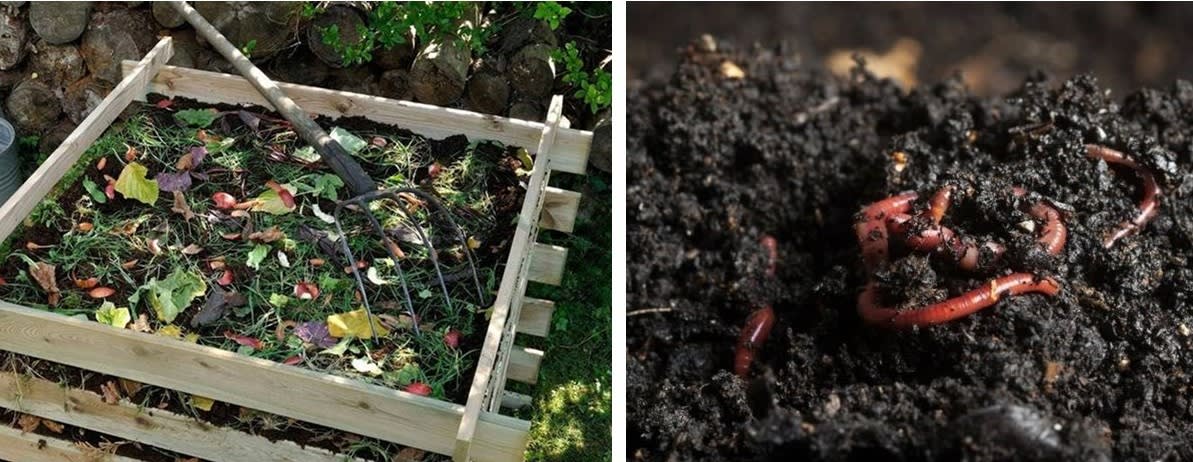
(a) Note the pictures carefully to mention the difference between the two.
(b) What additional advantages does the waste management seen in the picture on the left have over the waste management seen in the picture to the right?
In many parts of the world, man has disturbed the ecological balance. The factors responsible are deprivation of natural habitat and discriminate killing and hunting of animals. Many birds and animals face the danger of extinction today. Many programs like social forestry and Van Mahotasava should be popularised at regional and community levels. This will increase awareness.
(a) State the human activities responsible for the loss of forest.
(b) How do Van Mahotsava and social forestry help restore ecological balance?
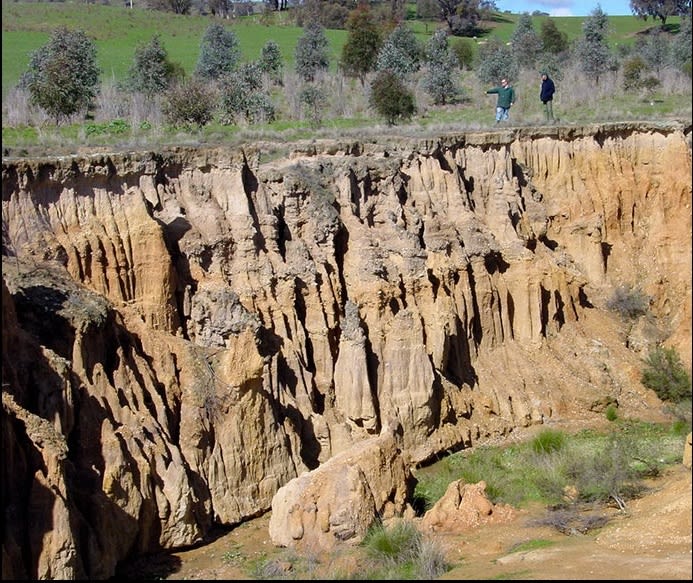
(a) Name the agent responsible for the erosion seen in the picture.
(b) What may be done to restore the soil in such areas?
When mixed in water, DDT accumulates in the cells of various aquatic organisms. Small fish consume zooplanktons that have DDT in them. Larger fish that consume small fish also consume DDT, and its concentration moves up the food chain.
(a) Based on the example given above, identify and name the process.
(b) How do they adversely affect human health?