
Commercial Applications
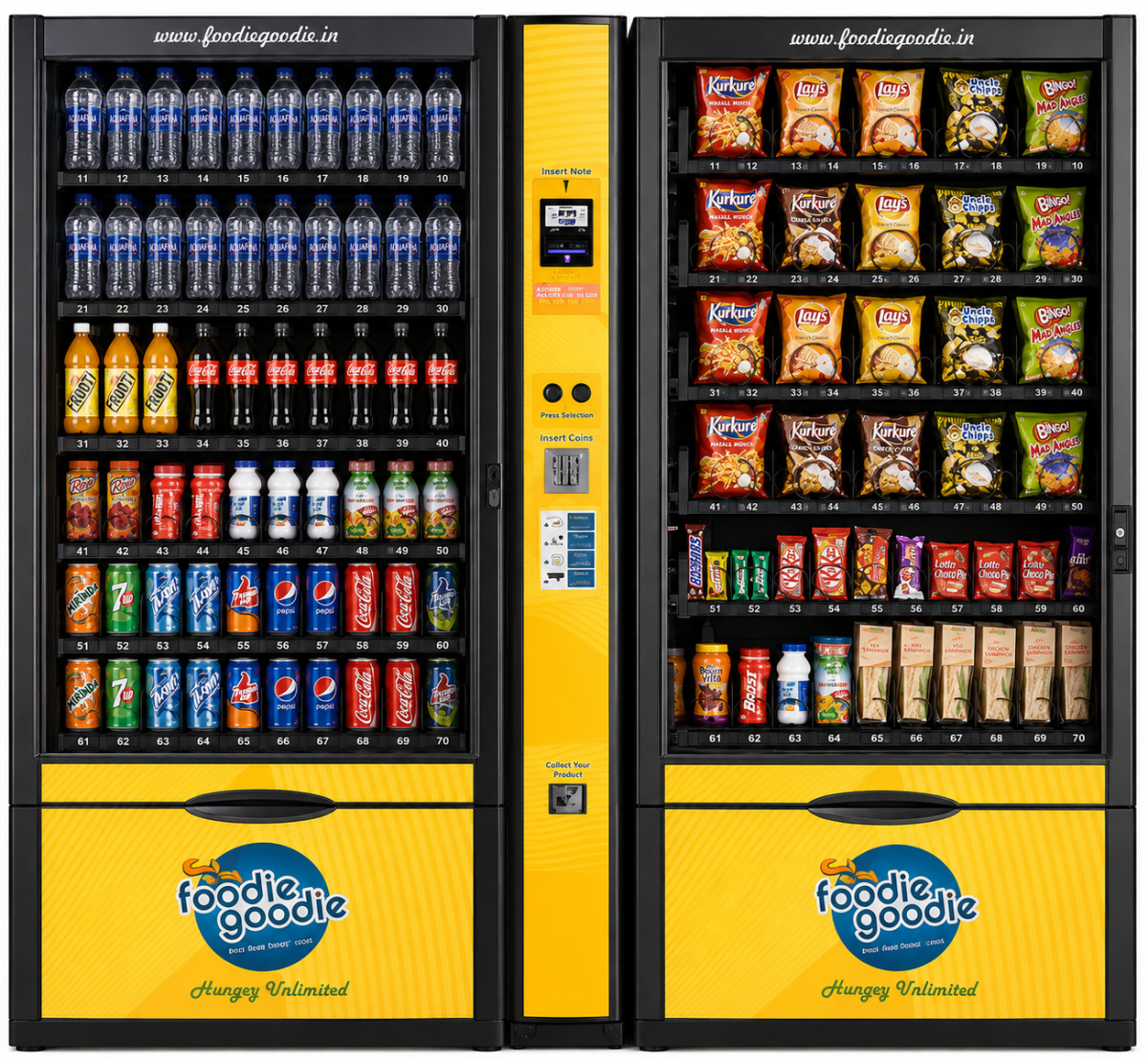
Identify the picture below and explain its features.
Markets & Marketing
2 Likes
Answer
The picture shown is of an Automatic Vending Machine — a non-traditional market.
Features of Automatic Vending Machines:
Self-Service: The customer himself operates the machine to buy the product. There is no need for a salesperson to be present.
Coin/Cash/Card Operated: Customers insert coupons, coins, cash or use a card to receive the product. Payment is made before the product is dispensed.
Convenient Location: Vending machines are installed at high-traffic public places like workplaces, metro stations, airports, schools and shopping malls so that products are easily accessible.
Daily-use Branded Products: Well-known brands of daily-use items are sold through these machines. Common items include cold drinks, tea, coffee, candy, snacks and milk. In Delhi, Mother Dairy sells milk through vending machines.
24×7 Availability: Vending machines provide round-the-clock service without requiring shop staff or fixed shop hours.
Quick and Cashless Transaction: With modern machines accepting digital payments, transactions are quick and cashless, saving time for the customer.
Low Operating Cost: Once installed, vending machines run with minimal supervision, reducing labour and overhead costs for the seller.
Answered By
1 Like
Related Questions
Discuss Catalogue marketing and telemarketing as important methods of non-conventional marketing.
Examine the various features of services.
Write a short note on 'Position of buyers and sellers market'.
CASE STUDY
With the advancement in technology and the goal to scale its business, JK Tyre & Industries has been working on a two-pronged strategy to add 'significant relevance' to its overall business. Along with the mainstream tyres, the Delhi based company is also running a fleet operating management business and a mobility business vertical.
"In the fleet management business, from selling a tyre as a commodity, it becomes a kind of service. We have tied up with 1300 of the 1800 large fleets across India. We provide all the services and the customer pays for the tyre's upfront cost." Anuj Kathuria, India President, JK Tyres, said. Any fleet of 100 trucks/buses, or more, is considered a 'large fleet'.
An initiative like the fleet management service also contributes to sustained relationship with customers, leading to repeat purchases of tyres by them. The customer base of 1300 fleet operators hasn't come easily for JK Tyres, an early mover with such a business intervention in the industry. The customer base has been built over the past two decades.
Under the fleet management business, JK Tyres is also offering tyre-as-a-service. It has about 250 pit stops, and close to 100 truck wheel centres, where its services are provided.
The company, which has also developed a tyre with 80% biodegradable materials, says that the 'green tyre' is close to a market launch. The tyre major has a target to achieve net zero emissions by 2050.
Source: auto.economictimes.indiatimes.com, February 9, 2024.
With reference to the above case study answer the following question:
Analyse the above case study and give any five differences between Product and Service.