
Geography
In this chapter you have studied the action of winds that results in desertification in arid areas. Make a list of activities that could prevent and reverse desertification.
Denundation
24 Likes
Answer
Some activities that could prevent and reverse desertification are:
- The growth of vegetation on the wind-ward slopes can prevent erosion by wind. It can help stabilize soil, prevent erosion, and promote groundwater recharge.
- Long-rooted trees and sand-holding grasses can be planted to halt the advance of the dunes in order to prevent the fertile land from being devastated.
- Rainwater harvesting can help replenish groundwater reserves and improve soil moisture, reducing the risk of desertification.
- Overgrazing by livestock can contribute to desertification, so measures such as rotational grazing, herd management, and fencing can help prevent this.
- Measures such as contour plowing, terracing, and cover cropping can help prevent soil erosion and improve soil fertility, reducing the risk of desertification.
- Effective policy and planning can help prevent desertification by promoting sustainable land use practices, protecting natural resources, and encouraging community participation.
Answered By
13 Likes
Related Questions
State the factors on which the shape and size of dunes depend?
Given below is a photograph of Purwa Waterfall on the River Tamsa in Madhya Pradesh. Answer the following questions:
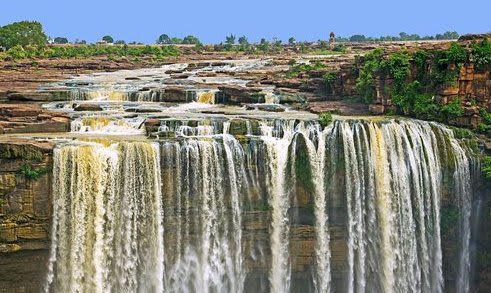
(a) What stage is the River Tamsa to cause formation of this waterfall? Give reasons to support your answer.
(b) What other landforms would a river make in this stage?
(c) What landforms would the River Tamsa make in the next stage of its flow?
(d) Besides being a tourist attraction waterfalls are important sources of energy. Elucidate.
What is the relationship between denudation, weathering and erosion? Give examples to support your answer.
While travelling from Haridwar to Prayagraj, the course of which river did you follow? List the landforms associated with it along the course you followed.