History & Civics
The independence of the judiciary shall be guaranteed by the State and enshrined in the Constitution or the law of the country. It is the duty of all governmental and other institutions to respect and observe the independence of the judiciary.
With reference to the above statement, mention any four ways in which the Constitution has ensured the independence of the judiciary.
Answer
Four ways in which the Constitution has ensured the independence of the judiciary are:
- Security of Salaries and Service conditions — Judges' salaries, allowances, etc., shall not be changed to their disadvantage during their term of office. The salaries. of the Judges cannot be reduced except during periods of financial emergency. Their salaries and allowances are charged on the Consolidated Fund of India and so are not subject to vote of Parliament.
- Freedom to Announce Decisions and Decrees — The Judges are free to announce their decisions and decrees in the court chambers without any danger to their person, property or fame. Their decisions cannot be criticised in public or by the press. It is the duty of the State to ensure their personal safety at all costs.
- Punishment for Contempt of Court — The Supreme Court can punish for the contempt of court if a person or authority makes an attempt to lower its authority.
- Full Control Over its Procedure of Work and Establishment — The Supreme Court is free to decide its own procedures of work and its establishment as well as the conditions of service of its employees. Thus, it is free from influence of any outside agency.
Related Questions
The Supreme Court, on March 4, 2024, said the elections to the Rajya Sabha and Council of States required "utmost protection" and the right to vote should be carried out freely without fear of persecution.
With reference to the above statement, answer the following:
(a) Analyse why the Supreme Court emphasised "utmost protection" for elections to the Rajya Sabha.
(b) Mention one exclusive power of the Rajya Sabha, which makes it different from the powers of Lok Sabha.
Read the given excerpt and answer the question that follows:
An English politician who served as Viceroy of India. He is commonly regarded as a ruthless viceroy due to his approach to the Great Indian Famine of 1876-1878.
(a) Identify the Viceroy in the given statement.
(b) Mention any three of his policies which impacted colonial India from 1876 to 1880.
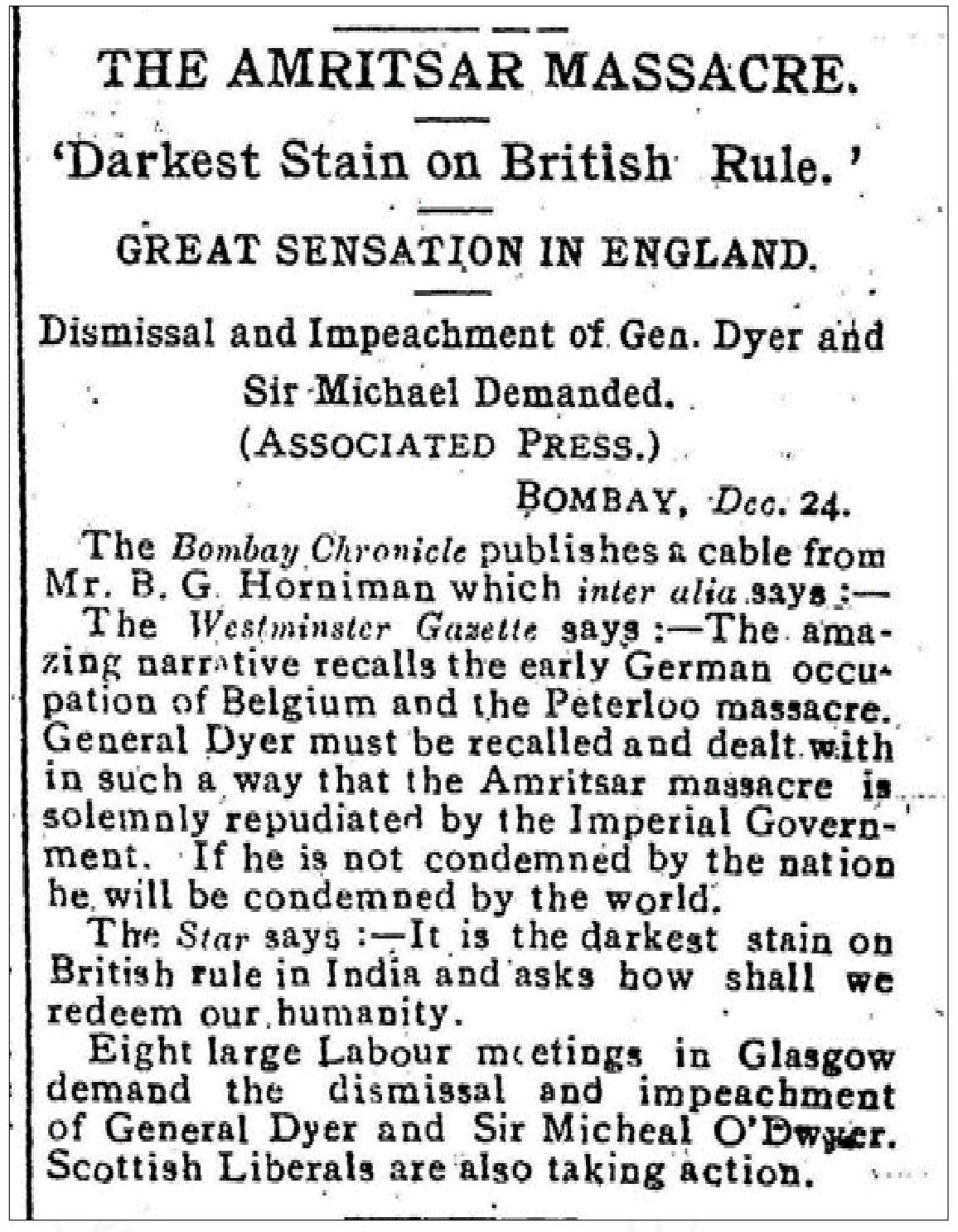
Name the incident related to the above newspaper article and examine the cause and effect of the incident.
The newspaper goes on to state that:
"Archduke Franz Ferdinand, heir to the Austro-Hungarian throne, and his morganatic wife, the Duchess of Hohenberg, were assassinated today while driving through the streets of Sarajevo, the Bosnian capital. A youthful Servian student fired the shots, which added another to the long list of tragedies that have darkened the reign of Emperor Francis Joseph."
Which disaster was aggravated due to the above incident? What were the consequences of the disaster?