
History & Civics
With reference to the given picture, answer the following questions :
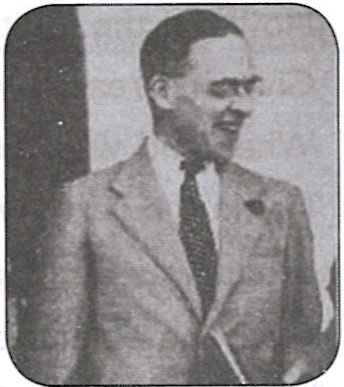
(a) Name the personality and the reform proposals proposed by him.
(b) Why did the mission fail?
(c) Name any two features of the mission.
Quit India Movement
3 Likes
Answer
(a) The given picture shows Sir Stafford Cripps. To solve the constitutional problems, the British Government sent Sir Stafford Cripps to India. He arrived in India on 22 March 1942. He made the following proposals :
- After the war, India would be given the same status as the other Dominions like Canada and Australia.
- A Constituent Assembly would be set up after the war. This elected assembly would frame the Constitution of free India.
- It proposed that an 'Interim Government' would be formed during the war.
- Until the new Constitution was framed the government wanted Indian leaders to take effective part in the Viceroy's Executive Council.
- Only 'the defence of India' would remain under the control of the British Government.
(b) The Cripps Mission failed as the proposals disappointed both the Congress and the Muslim League. Gandhiji rejected it as 'a postdated cheque'. The Muslim League rejected it as it felt the prospects of achieving Pakistan were remote. It demanded 'a definite pronouncement in favour of Pakistan'.
(c) Two features of the Cripps Mission are given below:
- After the war, India would be given the same status as the other Dominions like Canada and Australia.
- A Constituent Assembly would be set up after the war. This elected assembly would frame the Constitution of free India.
Answered By
1 Like
Related Questions
With reference to the Cripps Mission, explain :
(a) Why was the Cripps Mission sent to India?
(b) Mention four causes of their proposals.
(c) Why did both Congress and Muslim League reject it?
The All India Congress Committee which met at Bombay on 8th August, 1942 passed the famous Quit India Resolution.
In this context, answer the following questions :
(a) Mention the reasons that led to the passing of the Resolution.
(b) Explain the spread of the Quit India Movement.
(c) State the repressive measures practised by the British Government.
(d) State the importance of the Movement.
Netaji Subhas Chandra Bose played a great part in the National Movement. In this context, explain the following :
(a) Political aims of Netaji.
(b) Part played by him in liberating India from the British yoke.
Study the picture given and answer the following questions:
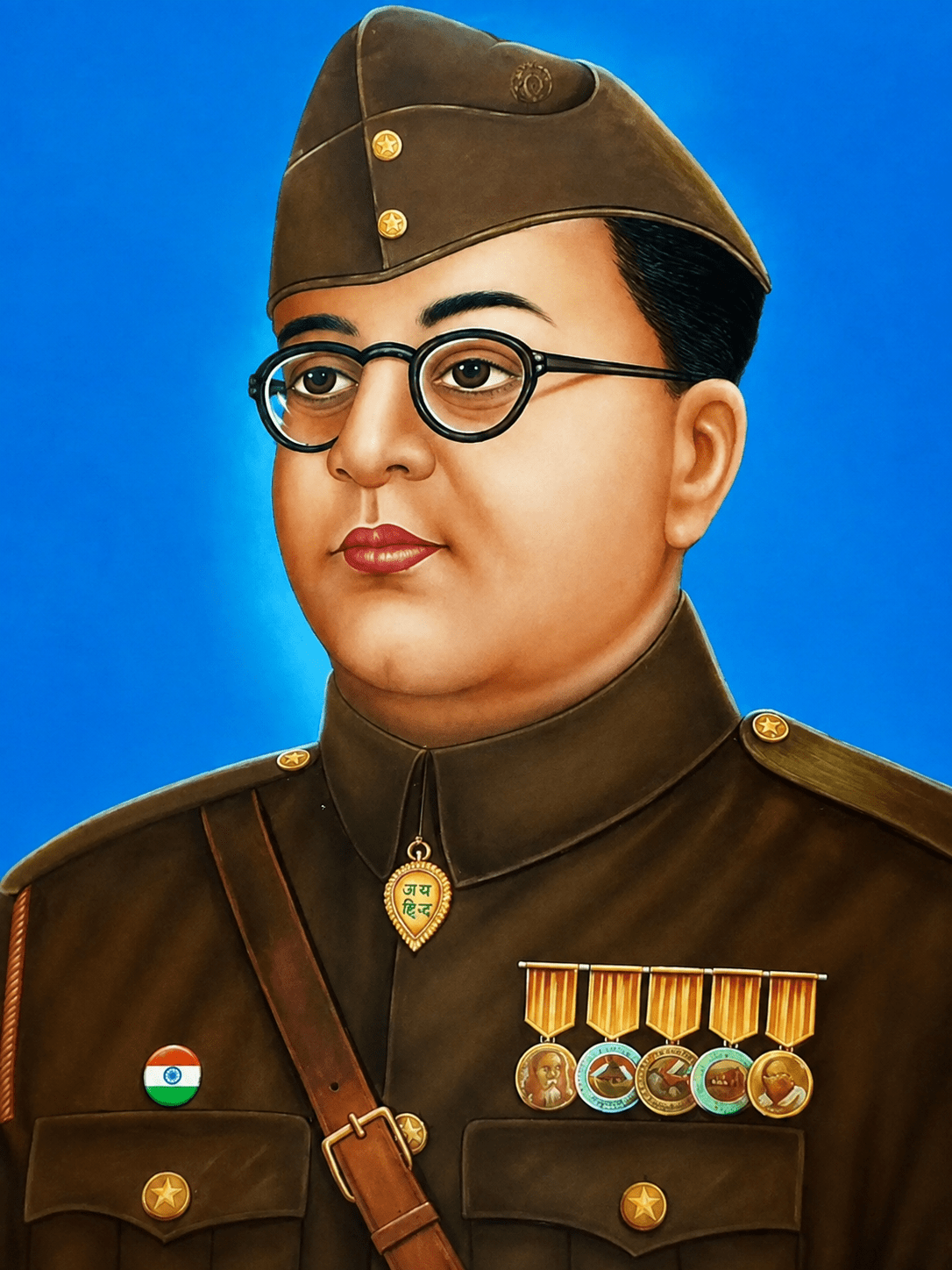
(a) Identify the leader given in the picture. Name the Political party and the Military Organisation that he formed.
(b) State any three objectives of the Political party that he founded.
(c) Mention any four objectives of the Military Organisation that he formed.