Geography
Below are the two pictures of an efficient waste reduction and waste management system.
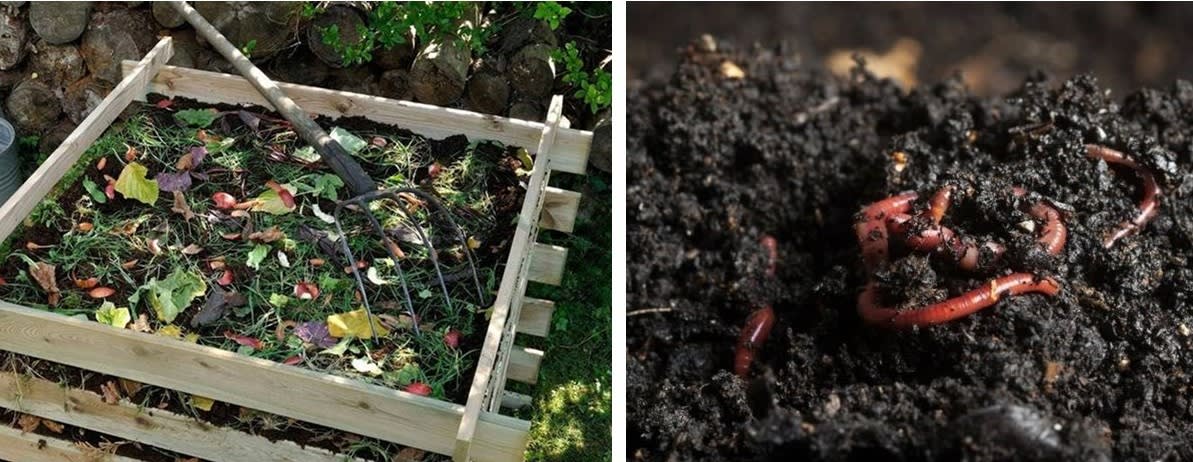
(a) Note the pictures carefully to mention the difference between the two.
(b) What additional advantages does the waste management seen in the picture on the left have over the waste management seen in the picture to the right?
Answer
(a) The picture on the left shows Traditional Composting, where biodegradable waste is decomposed naturally in an open bin.
The picture on the right shows Vermicomposting, which involves the use of earthworms to break down organic waste into nutrient-rich compost.
(b) Advantages of Traditional Composting over Vermicomposting are as follows:
- Simpler and low-maintenance — Traditional Composting requires less care and can be done with basic tools, making it suitable for beginners.
- Handles larger quantities — It can manage a wider variety and greater volume of organic waste without needing specific conditions for worms to survive.
- Ability to process tougher organic waste — It can handle tougher yard waste and certain food scraps that worms might not be able to digest.
Related Questions
Study the picture given below and answer the following questions:
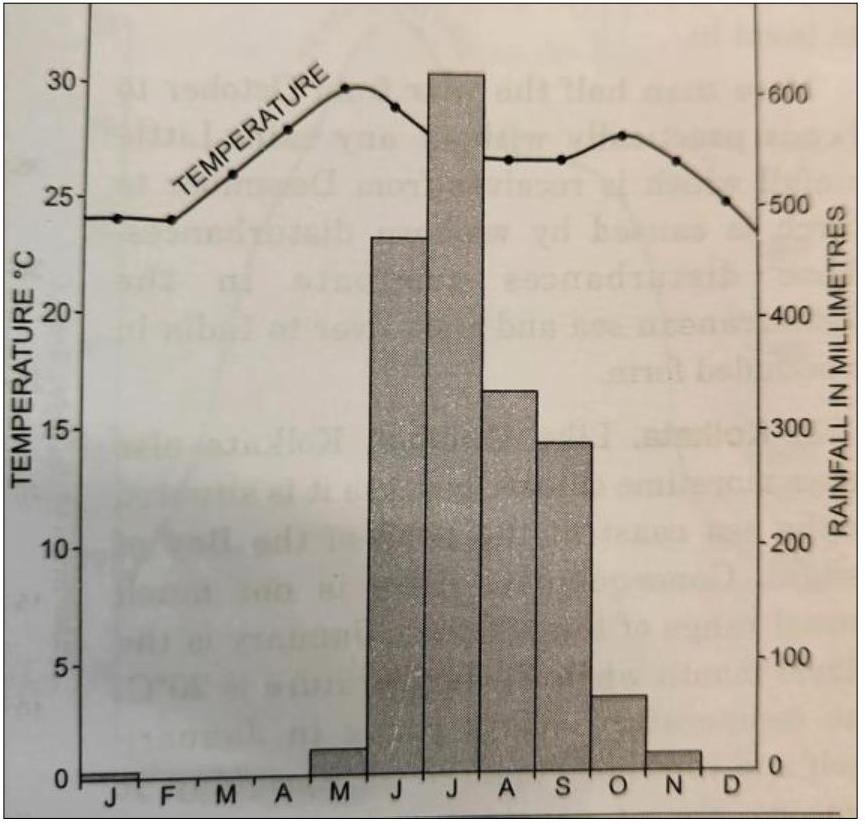
(a) State whether the above station experiences a maritime or a continental climate. Give a reason for your answer.
(b) Name the winds which bring rainfall to the station.
(c) Name a probable station experiencing such climatic conditions.
Although landfills are the cheapest waste management strategy, they are often touted as harmful to the environment.
Name any three ways by which landfills cause harm to our environment.In many parts of the world, man has disturbed the ecological balance. The factors responsible are deprivation of natural habitat and discriminate killing and hunting of animals. Many birds and animals face the danger of extinction today. Many programs like social forestry and Van Mahotasava should be popularised at regional and community levels. This will increase awareness.
(a) State the human activities responsible for the loss of forest.
(b) How do Van Mahotsava and social forestry help restore ecological balance?
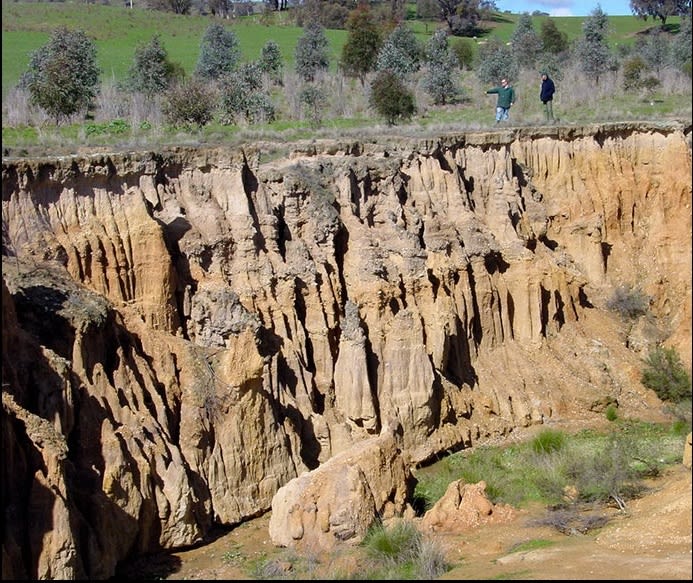
(a) Name the agent responsible for the erosion seen in the picture.
(b) What may be done to restore the soil in such areas?