
History & Civics
The British Parliament passed the Indian Independence Act on July 16, 1947. In this context, explain the following points :
(a) Clauses concerning the partition of the country.
(b) Clauses affecting the position of the British King and the Viceroy.
(c) The choice given to the states.
(d) Importance of the Act.
India Independence
2 Likes
Answer
(a) The clauses concerning the partition of the country in the Indian Independence Act of 1947 are given below:
- Two independent dominions, namely India and Pakistan, shall be set up on August 15, 1947. Pakistan was to consist of Sindh, Baluchistan, NWFP, the West Punjab and East Bengal. Rest of the territories were to be included in India.
- The British Government was to have no control over the affairs of the dominions after August 15, 1947 and would transfer all their powers to the Assemblies of India and Pakistan.
(b) The clauses affecting the position of the British King and the Viceroy in the Indian Independence Act of 1947 are given below:
- The office of the Viceroy was to end forthwith and replaced by a separate Governor-General for each Dominion.
- The right of the King to veto laws was given up. This right was given to the Governor-General.
- The titles of 'Emperor of India' and 'King of England' were dropped from the royal style.
(c) The princely states had the choice to join with either of the dominions or to retain their independence.
(d) The Indian Independence Act of 1947 was a great landmark in the Anglo-Indian relations. It was the noblest and the greatest law ever enacted by the British Parliament. It marked the end of the British Rule in India. India became free on August 15, 1947.
Answered By
1 Like
Related Questions
The Muslim League decided to observe the Direct Action Day on August 16, 1946. In this context, answer the following :
(a) Why did the Muslim League observe the Direct Action Day?
(b) What were its results?
Using the following points, briefly describe the Mountbatten Plan of June, 1947 :
(a) Main clauses of the Mountbatten Plan.
(b) Why did the Congress and the Muslim League accept this plan?
India was partitioned in August, 1947. In this context, discuss the following causes of the partition :
(a) Failure of the Interim Government.
(b) The communal riots.
With reference to the picture given, answer the following questions :
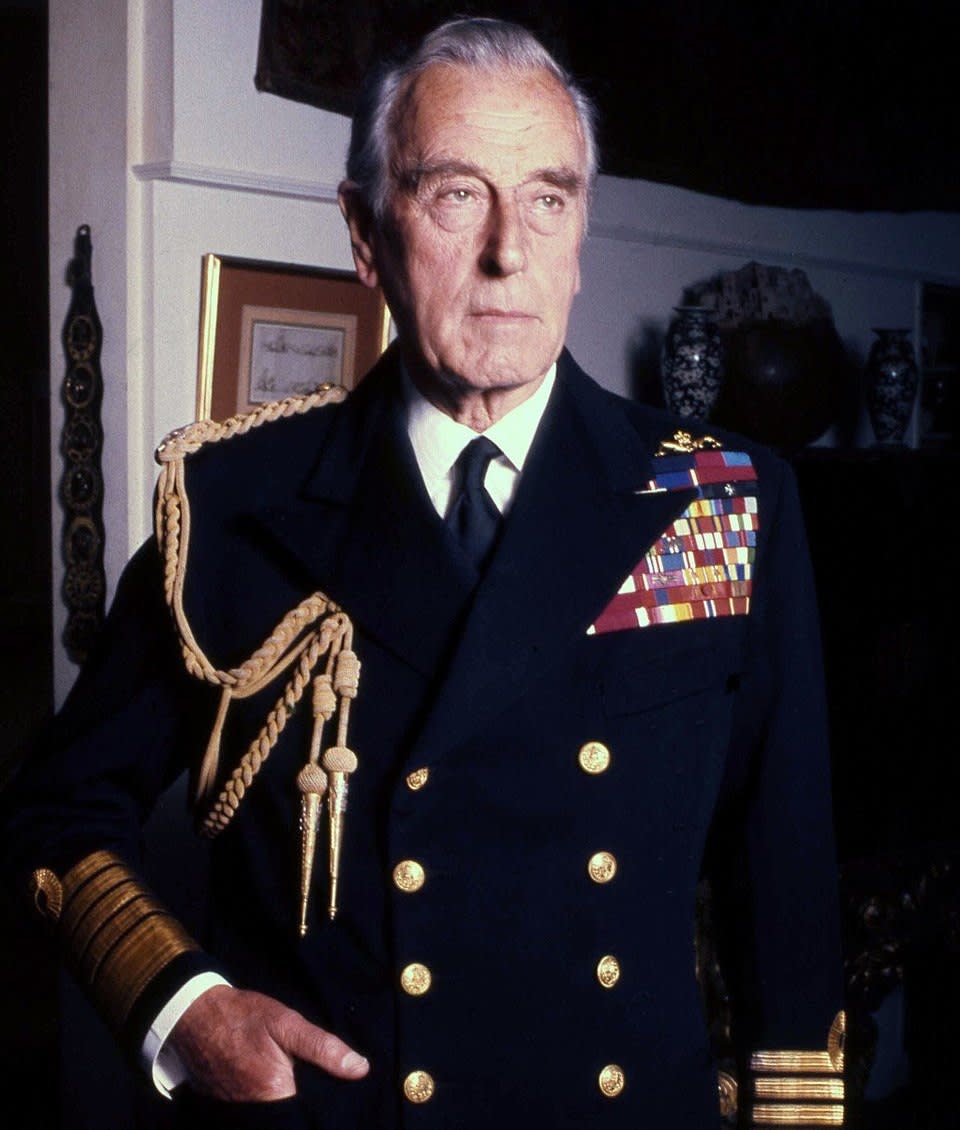
(a) Identify the Viceroy.
(b) Why was he sent to India?
(c) Name the Plan put forward by him and mention two of its provisions.