History & Civics
With reference to the picture given, answer the following questions :
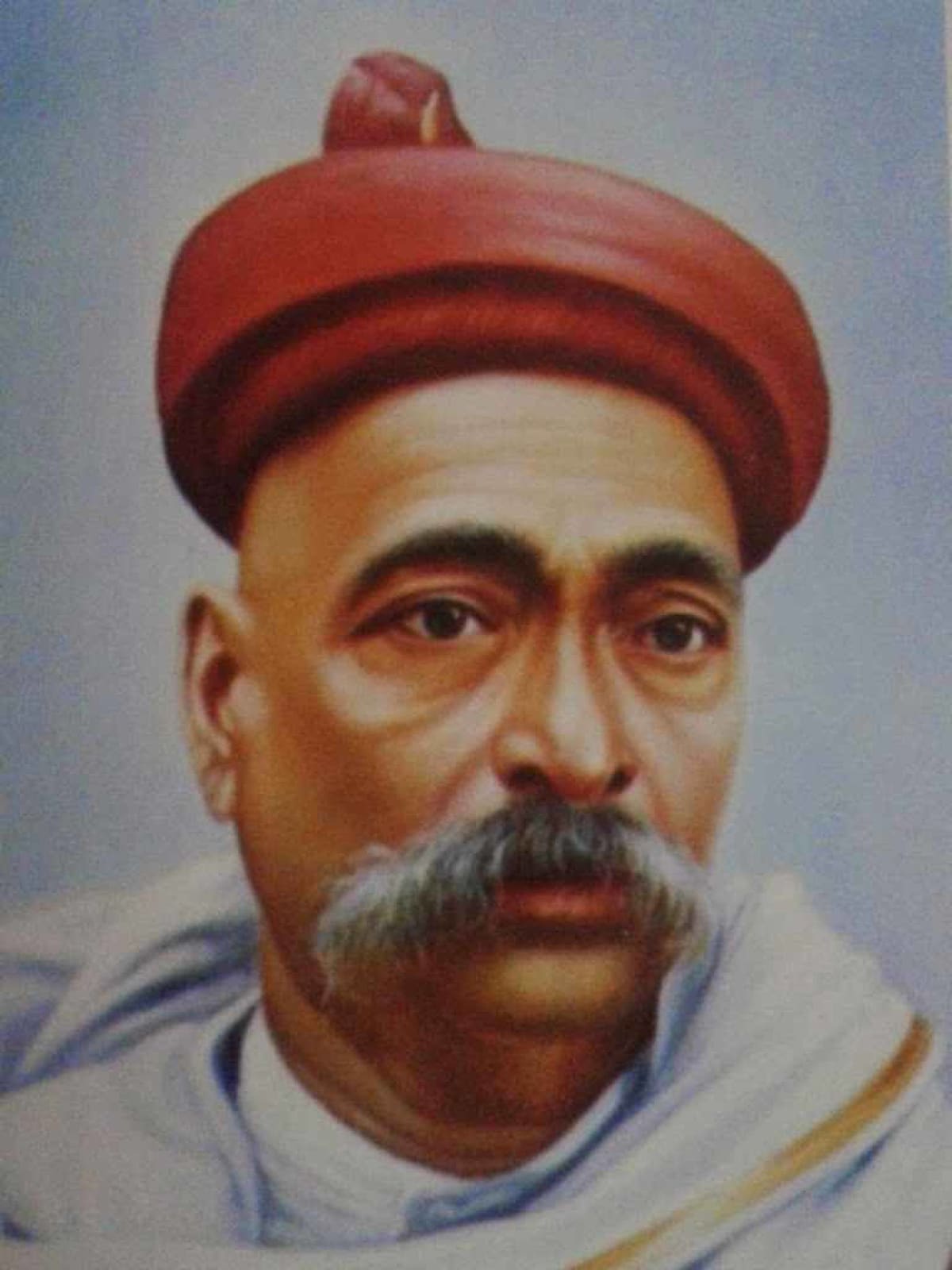
(a) Identify and name the person.
(b) Describe his efforts to instil the spirit of patriotism and nationalism in Indians.
(c) Describe the political beliefs and methods he advocated for their achievements.
Answer
(a) The person shown in the given picture is Bal Gangadhar Tilak, an Assertive Nationalist leader.
(b) Bal Gangadhar Tilak greatly contributed to the national movement and instilled the spirit of patriotism and nationalism in Indians.
- He celebrated Ganapati and Shivaji festivals to spread the spirit of patriotism and nationalism among the people.
- He started two well-known papers, the Kesari and the Mahratta. Through them he preached nationalism and taught people to become courageous, self-reliant and selfless fighters for the freedom of the country.
- He organised the Swadeshi and Boycott agitation after the Partition of Bengal.
- He started the Home Rule Movement in 1916. With his ideas and weapons he infused a new life in the National Movement and brought about a change in its character.
- He transformed the freedom struggle into an agitation of millions of the common masses.
(c) The political beliefs and methods advocated by Bal Gangadhar Tilak are given below:
Political beliefs of Bal Gangadhar Tilak
- He aimed at Poorna Swaraj or complete freedom which he believed was remedy for all ills.
- He believed in breaking the hold of the British imperialism by revolutionary methods.
- He believed in launching political agitations, making people self-reliant by national awakening and opposed policy of political beggary.
- He laid great emphasis on self-reliance, self-sacrifice, suffering and hardships.
Political methods of Bal Gangadhar Tilak
- He organised Akharas and Lathi Clubs to make the youth brave and bold and instilled in them the spirit of sacrifice for the freedom of their country.
- He organised the Swadeshi and Boycott agitation after the Partition of Bengal.
- He started the Home Rule Movement in 1916. With his ideas and weapons he infused a new life in the National Movement and brought about a change in its character.
- He transformed the freedom struggle into an agitation of millions of the common masses.
Related Questions
How did the Early Nationalists and the Assertive/Radical Nationalists differ in the following fields?
(a) Their political goals
(b) Attitude towards the British rule
(c) Their method of work
The Swadeshi and the Boycott Movement was an important landmark in the history of the National Movement in India. In this context, answer the following questions :
(a) Reasons for starting the Swadeshi and the Boycott Movement.
(b) Leaders of the movement.
(c) Various measures adopted to popularise the Swadeshi goods.
With reference to the Surat Split of 1907, explain the following :
(a) Issues on which the two wings of the congress had difference
(b) Exploitation of the situation by the British
(c) Effect of the split on National Movement
Read the excerpt given below and answer the questions that follow :
On the positive side, the movement gave a stimulus to cottage industries and even large-scale enterprises of various sorts. Swadeshi textile mills, match and soap factories, potteries and tanneries sprouted up everywhere. Acharya P.C. Ray set up his Bengal Chemicals Factory, which became famous in a very short time, Gurudev Tagore himself helped in setting up a Swadesh store. The entire capital of the Tata Iron and Steel Company which had refused all Government and foreign help, was subscribed by Indians within three months. Many zamindars and merchants joined hands with political leaders to found banks and insurance companies. Even steamship concerns were floated.
(a) Which movement is being referred to? What was the reason for it?
(b) Mention any three impacts of the movement.
(c) Describe the aims, objectives and methods of the movement.