
History & Civics
Read the excerpt given below and answer the questions that follow :
On the positive side, the movement gave a stimulus to cottage industries and even large-scale enterprises of various sorts. Swadeshi textile mills, match and soap factories, potteries and tanneries sprouted up everywhere. Acharya P.C. Ray set up his Bengal Chemicals Factory, which became famous in a very short time, Gurudev Tagore himself helped in setting up a Swadesh store. The entire capital of the Tata Iron and Steel Company which had refused all Government and foreign help, was subscribed by Indians within three months. Many zamindars and merchants joined hands with political leaders to found banks and insurance companies. Even steamship concerns were floated.
(a) Which movement is being referred to? What was the reason for it?
(b) Mention any three impacts of the movement.
(c) Describe the aims, objectives and methods of the movement.
2ⁿᵈ Phase of INM
2 Likes
Answer
(a) The movement being referred to in the given excerpt is Swadeshi and Boycott Movement. It started in Bengal as a part of the agitation against the partition of Bengal.
(b) Three impacts of the Swadeshi and Boycott Movement are given below:
- Rise of Nationalism — The movement instilled a sense of national pride and unity among Indians. It encouraged people to actively participate in the freedom struggle.
- Promotion of Swadeshi goods and industries — Swadeshi encouraged the growth of Indian industries like textiles, handlooms, and handicrafts. Indians began using the Swadeshi goods and boycotted the foreign products.
- Political awakening and mass participation — For the first time, students, women, and the general public joined the national movement in large numbers, broadening the base of the freedom struggle.
(c) The aims and objectives of the Swadeshi and Boycott Movement are given below:
- To oppose the Partition of Bengal in 1905 (immediate aim), which was seen as an act of 'Divide and Rule'.
- To accelerate the pace of the Freedom Movement and to give it a new dimension and direction.
- To promote the use of Swadeshi goods and boycott foreign goods.
- To promote Indian industries and to provide employment to craftsmen.
The methods of the Swadeshi and Boycott Movement are given below:
- Foreign goods were boycotted by all classes of the society irrespective of caste, creed and religion.
- National educational institutions were set up to impart literary, technical and physical education. On 15 August 1906, a National Council of Education was set up. A National college with Aurobindo Ghosh as principal was started in Calcutta.
- Students and women organised processions, picketed foreign cloth, cigarettes and other articles and consigned them to bonfires in the streets.
- Many textile mills, soap and match factories, national banks and insurance companies were set up to help the people. Cheap shops of Swadeshi goods were opened.
- Swadeshi Movement laid emphasis on self-reliance or 'Atmashakti'. It meant assertion of national dignity, honour and self-confidence.
- The Swadeshi movement saw flowering of nationalist poetry, prose and journalism. The newspapers and magazines carried reports and articles on this topic and thus helped in making the movements successful.
Answered By
1 Like
Related Questions
How did the Early Nationalists and the Assertive/Radical Nationalists differ in the following fields?
(a) Their political goals
(b) Attitude towards the British rule
(c) Their method of work
The Swadeshi and the Boycott Movement was an important landmark in the history of the National Movement in India. In this context, answer the following questions :
(a) Reasons for starting the Swadeshi and the Boycott Movement.
(b) Leaders of the movement.
(c) Various measures adopted to popularise the Swadeshi goods.
With reference to the Surat Split of 1907, explain the following :
(a) Issues on which the two wings of the congress had difference
(b) Exploitation of the situation by the British
(c) Effect of the split on National Movement
With reference to the picture given, answer the following questions :
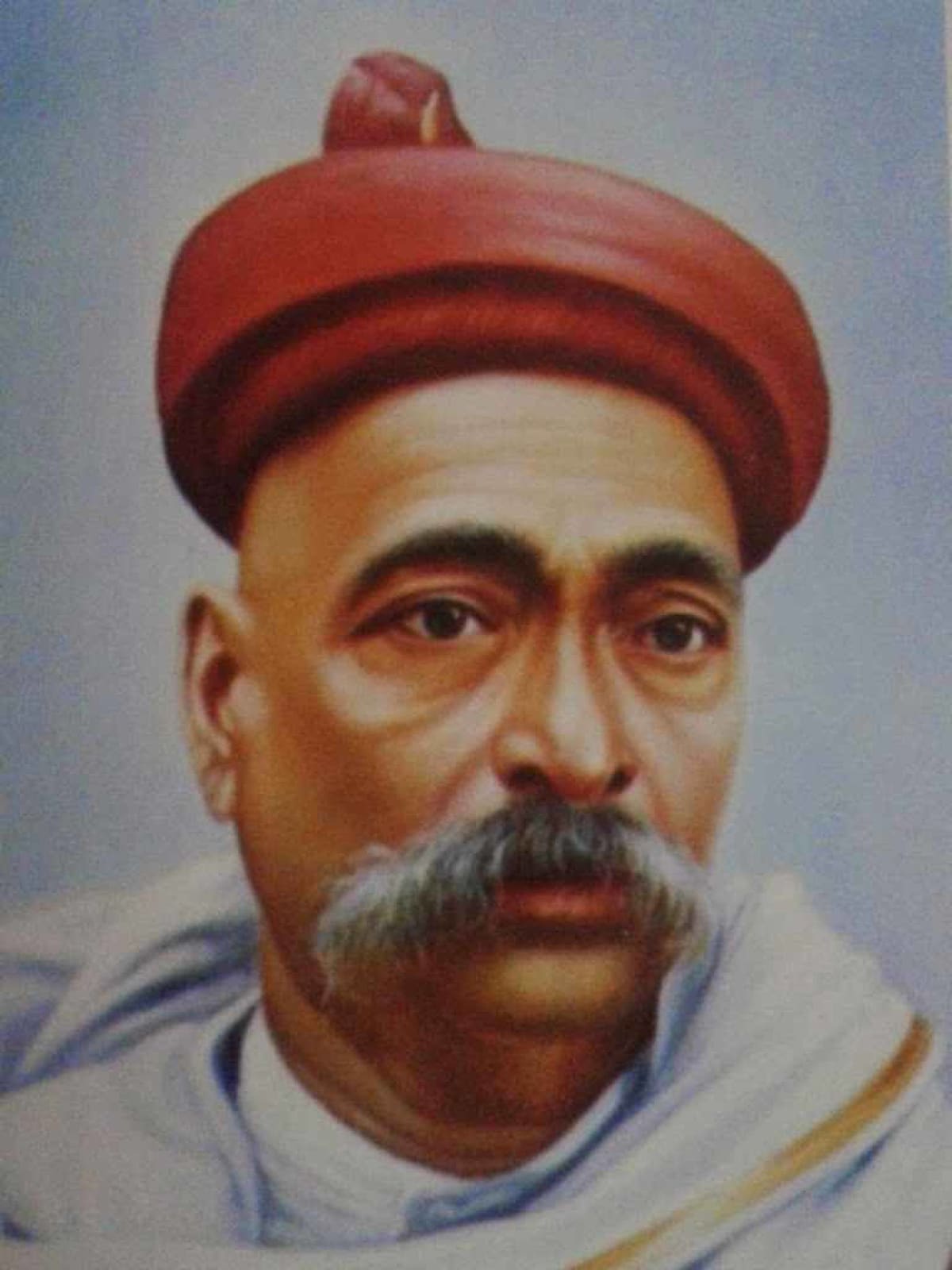
(a) Identify and name the person.
(b) Describe his efforts to instil the spirit of patriotism and nationalism in Indians.
(c) Describe the political beliefs and methods he advocated for their achievements.