
History & Civics
With reference to the Surat Split of 1907, explain the following :
(a) Issues on which the two wings of the congress had difference
(b) Exploitation of the situation by the British
(c) Effect of the split on National Movement
2ⁿᵈ Phase of INM
1 Like
Answer
(a) The issues on which the two wings of the Congress had differences of opinion were-
- The Assertive Nationalists wanted to extend the Swadeshi and boycott to the rest of India and make it a vehicle for a full-fledged political mass struggle leading to Swaraj. The Early Nationalists, however, did not approve it for the whole of India and wanted it to be confined to Bengal only. They were also not in favour of adopting assertive means.
- There was also a disagreement over the candidature of the next President. When SN Banerjea got up to propose the name of Dr. Ras Behari Ghose for the presidentship, he was shouted down by the Assertive/ Radical Nationalists. There was utter confusion in the pandal, resulting in clashes between the two groups.
(b) The British exploited the Surat split situation in the following ways:
- Policy of Divide and Rule: The British encouraged the split and used it to pit the Moderates and Radicals against each other, preventing them from presenting a united front.
- Suppression of Radicals: The British government cracked down heavily on the Radicals, arresting and deporting leaders like Bal Gangadhar Tilak and Lala Lajpat Rai.
- Concessions to Moderates: The government appeased the Moderates by offering minor reforms (like the Morley-Minto Reforms of 1909), hoping to keep them away from the militant path.
(c) The Surat Split of 1907 slowed down the momentum of the national movement temporarily, and the disunity led to the weakening of the National movement. The British used the division to their advantage by suppressing the Radicals with force and pacifying the Moderates with minor reforms.
Answered By
1 Like
Related Questions
How did the Early Nationalists and the Assertive/Radical Nationalists differ in the following fields?
(a) Their political goals
(b) Attitude towards the British rule
(c) Their method of work
The Swadeshi and the Boycott Movement was an important landmark in the history of the National Movement in India. In this context, answer the following questions :
(a) Reasons for starting the Swadeshi and the Boycott Movement.
(b) Leaders of the movement.
(c) Various measures adopted to popularise the Swadeshi goods.
With reference to the picture given, answer the following questions :
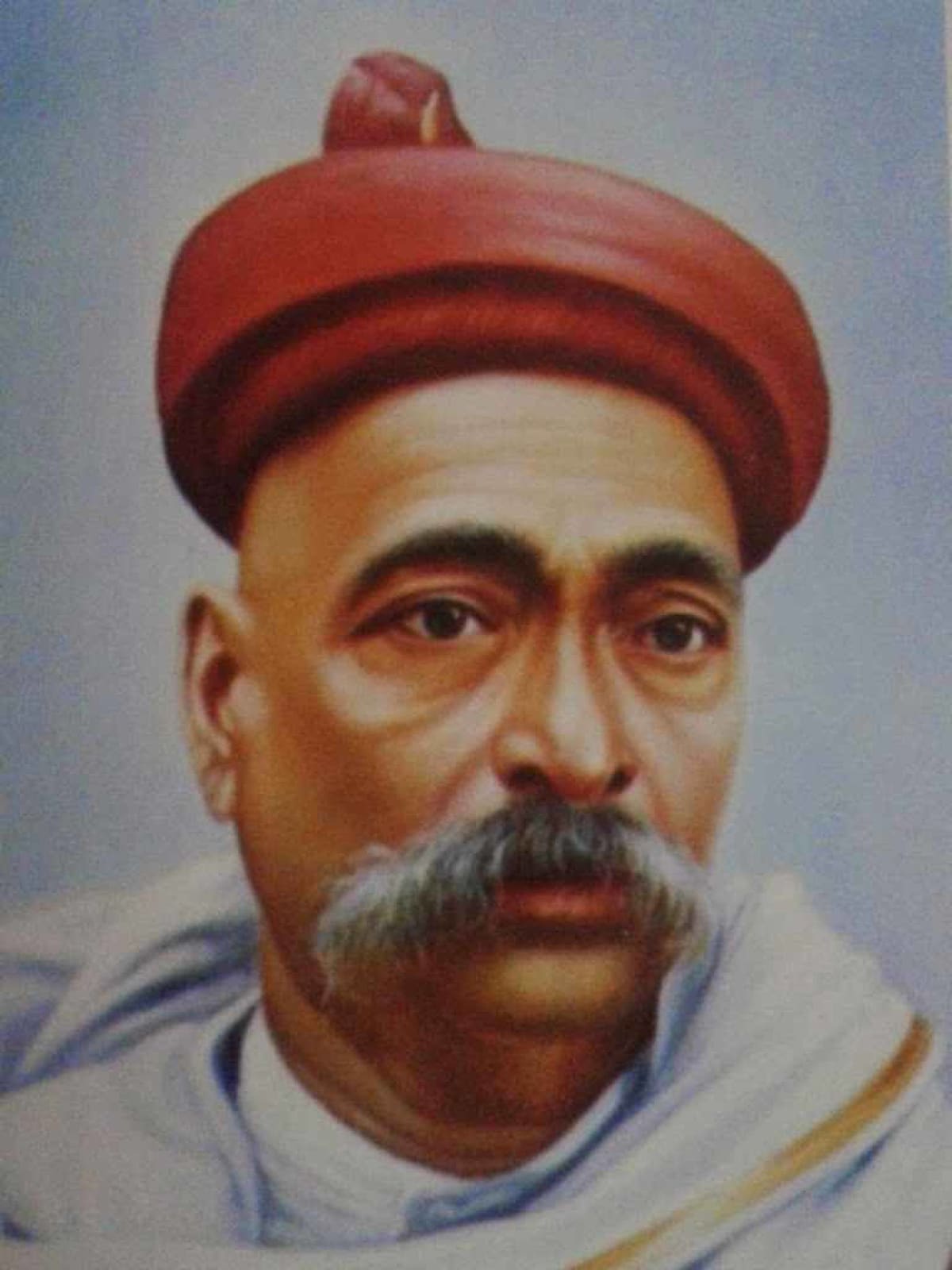
(a) Identify and name the person.
(b) Describe his efforts to instil the spirit of patriotism and nationalism in Indians.
(c) Describe the political beliefs and methods he advocated for their achievements.
Read the excerpt given below and answer the questions that follow :
On the positive side, the movement gave a stimulus to cottage industries and even large-scale enterprises of various sorts. Swadeshi textile mills, match and soap factories, potteries and tanneries sprouted up everywhere. Acharya P.C. Ray set up his Bengal Chemicals Factory, which became famous in a very short time, Gurudev Tagore himself helped in setting up a Swadesh store. The entire capital of the Tata Iron and Steel Company which had refused all Government and foreign help, was subscribed by Indians within three months. Many zamindars and merchants joined hands with political leaders to found banks and insurance companies. Even steamship concerns were floated.
(a) Which movement is being referred to? What was the reason for it?
(b) Mention any three impacts of the movement.
(c) Describe the aims, objectives and methods of the movement.