
Geography
Given below are scenes, list the pollutants generated by each. How does each pollutant affect (i) environment; (ii) humans and other living beings; and (iii) materials?
Picture A
Picture B
Picture C
Picture D
Pollution Effects
2 Likes
Answer
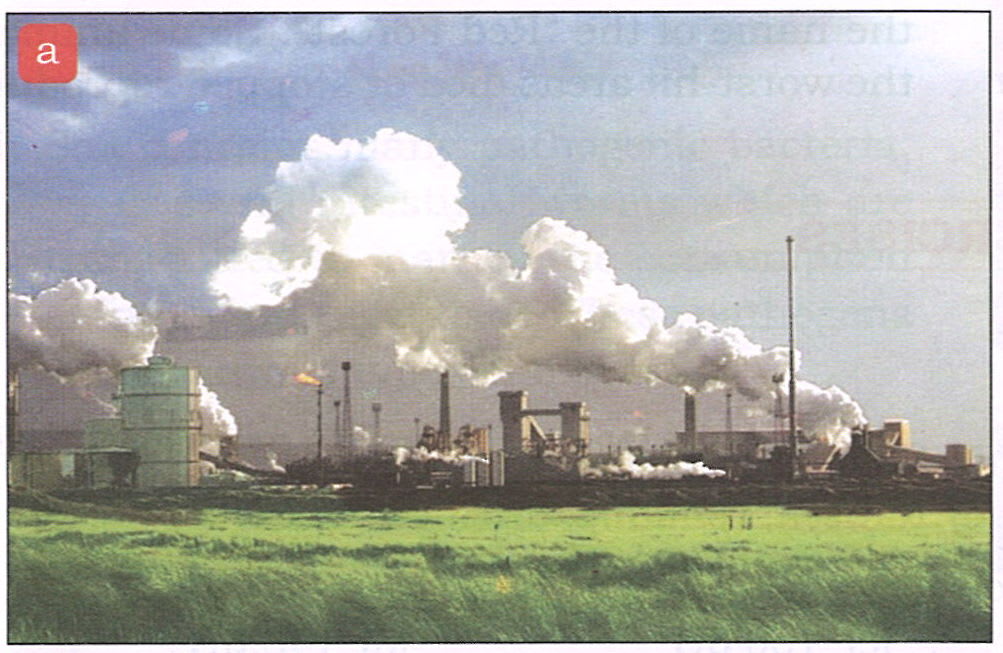
(a) The given picture is showing Air Pollution by Industrial emissions.
Pollutants generated —
- Smoke (suspended particulate matter)
- Carbon monoxide (CO)
- Sulphur dioxide (SO2)
- Nitrogen oxides (NOx)
Effects on Environment —
- The combination of smoke and fog leads to formation of Smog.
- Increase in concentration of Carbon dioxide (CO2) along with other Greenhouse gases like Methane, Nitrogen oxides (NOx), Chlorofluorocarbons and water vapour are responsible for increasing temperature causing Global warming.
- Due to excessive heat, water will evaporate quickly. The soil affected with erosion and devoid of vegetative cover will not retain moisture for long leading to droughts.
- Rising temperatures cause glaciers to melt, forming natural lakes between debris mounds. These lakes receive meltwater faster than they can drain, increasing the risk of frequent flooding.
- Sulphur dioxide (SO2) and Nitrogen oxides (NOx) affect the growth of plants and metabolism by destroying chlorophyll and disrupting photosynthesis.
Effects on Humans and other living beings —
- Smoke causes Asthma, irritation of eyes and cancer.
- Carbon monoxide damages lungs, weakens bones, reduces the oxygen carrying capacity of blood and damages heart.
- In the long term air pollution causes damage to the nerves, brain, liver and kidneys.
- Oxides of Nitrogen (nitric oxide, nitrogen dioxide and nitrous oxide) cause acute respiratory infections, bronchitis, lowers resistance to influenza.
- Animals that feed on grass and plants (coated with polluted particulate matter) are affected with arsenic poisoning.
- Lead poisoning results in bronchitis and lack of appetite in pet animals.
Effects on Materials —
- Soot, dust and fumes from air pollutants cause damage to the painted surfaces, fabrics and buildings.
- Sulphur dioxide together with moisture forms Sulphuric acid and causes corrosion of metals like steel, copper, and zinc.
- Sulphuric acid mist and Acid rains damage marble and limestone.
- Paper becomes brittle and leather undergoes disintegration by Sulphur dioxide and Acid gases.
- Nitrogen oxides (NOx) discolour, deteriorate and reduce the strength of textiles.
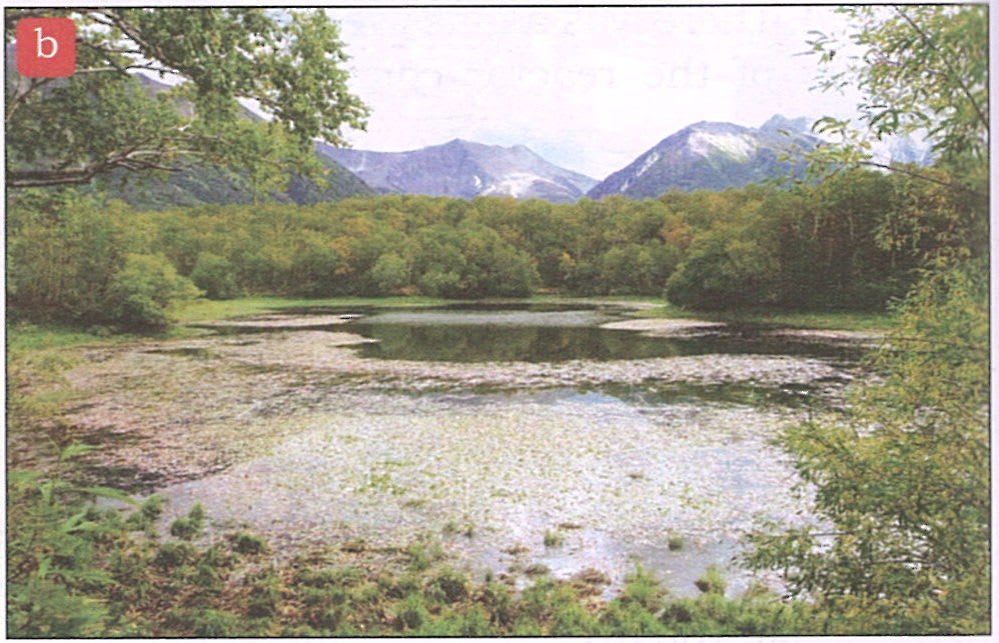
(b) The given picture is of a waterbody affected by Eutrophication, showing Water Pollution.
Pollutants generated —
- Phytoplankton and Algae
Effects on Environment —
- Chemicals that are drained into the water have harmful effects on every organism that lives there.
- Phytoplankton and algae reduce the penetration of oxygen, light and heat into the waterbody, creating oxygen depleted zones.
- Algae forming a layer on top of the waterbody obstructs photosynthesis.
Effects on Humans and other living beings —
- Most of the water organisms die due to lack of oxygen.
- Algae are harmful for the fishes as they contain lots of toxins. Consumption of contaminated fish makes us sick.
- The pathogens present in polluted water are responsible for several water borne diseases like cholera, typhoid, diarrhoea, dysentery, hepatitis, polio and jaundice.
Effects on Materials —
- Eutrophication speeds up corrosion of metals like iron, steel, and copper. This affects pipes, boats, and underwater structures.
- Water often becomes green, cloudy, or even black due to excess algae and decaying organic matter. The breakdown releases foul-smelling gases like hydrogen sulphide (H2S) and ammonia.
- Algae and bacterial slime can form layers on surfaces affecting water treatment equipment, ship hulls, and industrial machinery.
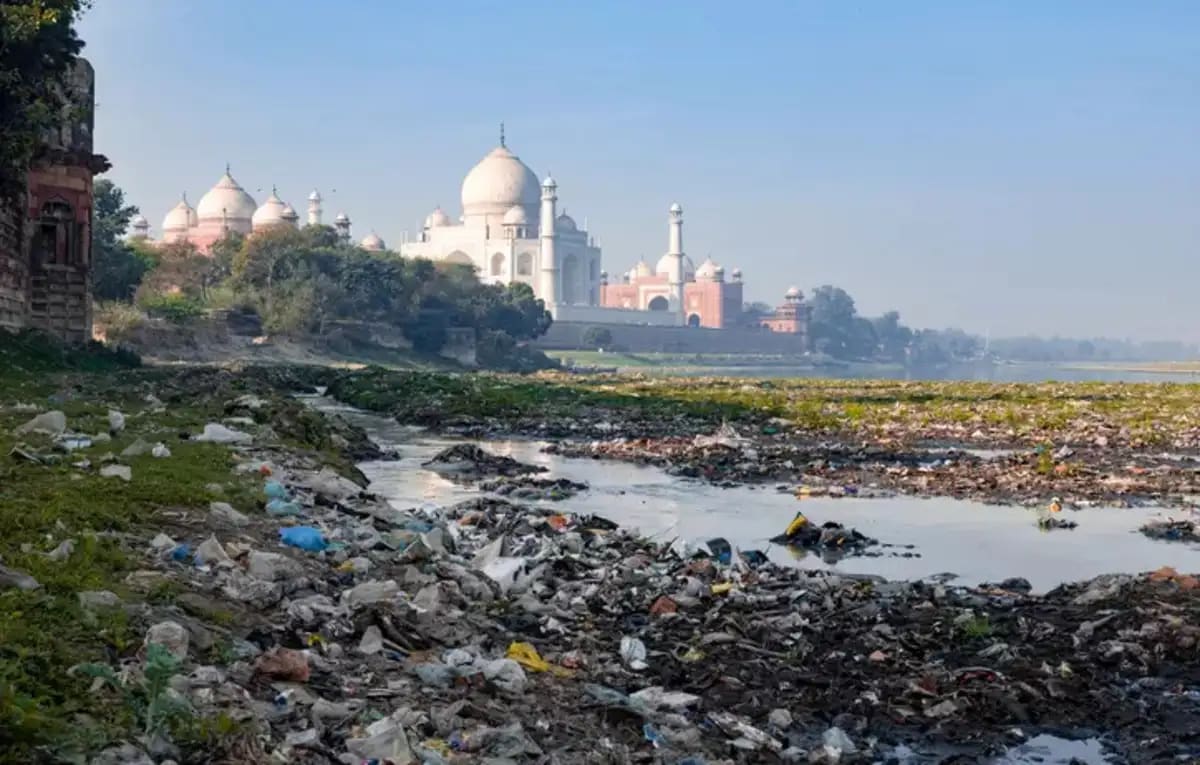
(c) The given picture shows a polluted river, indicating Water Pollution and Land Pollution.
Pollutants generated —
- Bad smell
- Pathogens — Bacteria, viruses, protozoa and parasites from sewage and animal waste.
Effects on Environment —
- Water quality is deteriorated.
- This polluted water infiltrates down the soil and further pollutes the groundwater.
- Plastics and polythene bags can clog waterways, preventing proper water flow and disrupting aquatic ecosystems.
- When plastics break down into microplastics, they can contaminate the soil, making it difficult for plants to grow.
Effects on Humans and other living beings —
- When plastics degrade, they release harmful chemicals into the environment, affecting human health via contaminated water and air.
- The pathogens from these areas enter the human body from contaminated drinking water and are responsible for several waterborne diseases.
- It can cause diseases in aquatic organisms, disrupting ecosystems.
Effects on Materials —
- Plastic waste may cause long-term damage like staining or corrosion.
- As plastics break down into microplastics, they can embed in materials such as textiles, construction materials, or even concrete, potentially weakening them or altering their properties.
- Plastics can leach harmful additives and heavy metals into water and soil. These chemicals can contaminate other materials, especially food, water supplies, and packaging.
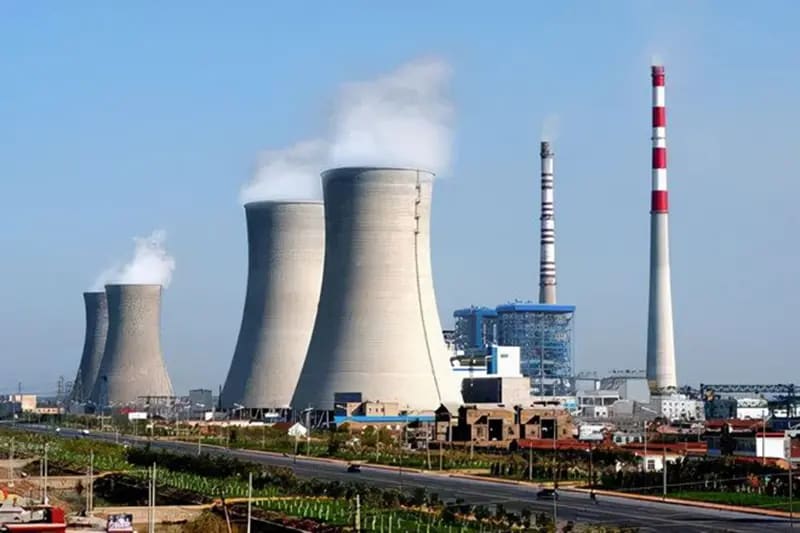
(d) The given picture is of Nuclear Reactors, indicating Radioactive pollution.
Pollutants generated —
- Radioactive particles
- Fuel elements
- Coolants
- Wastewater
Effects on Environment —
- Radioactive wastes like used fuel and coolants may escape into the surroundings. Inert gases escape as vapours and pollute the environment.
- The radioactive waste emitted during nuclear tests makes the surrounding materials radioactive.
- Radioactive particles are carried away to distant places by wind and brought down by rain. When these rain drops fall to the ground, they cause soil pollution.
- When wastewater from research laboratories reach the water bodies through the sewers, they cause water pollution.
- The high level products of nuclear wastes remain in the environment for several hundred years.
- Other radioactive threats to the environment are the accidents connected with the activities of nuclear reactors, nuclear powered vessels and satellites, etc.
Effects on Humans and other living beings —
- The X-rays pass through genetic cells and affect the chromosomes, resulting in mutations.
- Genetic Variation: The damage caused by radiations is often seen in the offsprings and may be transmitted to many generations.
- Somatic Variation: Short term exposures to radiation can cause damage to organs of the body. The harm done by them includes breast cancer, thyroid cancer, lung cancer and brain cancer, sterility and defective eyesight.
- Other living beings such as animals and aquatic life also faces the consequences of improper radioactive waste handling.
Effects on Materials —
- Radioactive particles can bind to dust, soil, water, and organic matter, making them hazardous.
- Corrodes and weakens building structures over time.
- Contaminated water, food, or raw materials can pose risks to health and safety, even in small amounts.
- Materials contaminated by radioactive waste must be stored or disposed of with extreme care because they remain hazardous for years or even centuries.
Answered By
1 Like
Related Questions
The Municipal Corporation of your city has banned all construction activities from 5 pm to 9 am. Why?
- To enable people to sleep.
- To reduce the noise produced by the activity.
- To reduce the physiological effects of noise pollution.
- All of the above.
Assertion (A): Birds avoid migrating to places where noise level is above 100 dB.
Reason (R): Doctors and scientists have now medically confirmed that noise disturbs living organisms.
- Both A and R are true and R is the correct explanation of A.
- Both A and R are true but R does not explain A.
- A is true but R is false.
- A is false but R is true.
How does noise pollution affect animals?
What major harm is done to human beings by air pollution?