
Geography
Namami Gange Yojna focuses on
- abatement of pollution in river Ganga
- abatement of pollution in river Ganga and its conservation
- abatement of pollution in river Ganga, its conservation and rejuvenation
- afforestation and reafforestation, water conservation and soil conservation
Waste Accumulation Impact
9 Likes
Answer
abatement of pollution in river Ganga, its conservation and rejuvenation
Reason — The purpose of the Namami Gange Yojna is to conserve, rejuvenate and reduce pollution of river Ganga , which is one of the most important and sacred rivers in India.
Answered By
7 Likes
Related Questions
Its fibre is 100% bio-degradable and environmentally friendly. It has low pesticide and fertiliser need. It is widely used in agricultural commodity bulk packaging. It is mostly cultivated in the delta region of West Bengal and Bangladesh. Identify the fibre.
- jute
- cotton
- bamboo
- coconut
Visvesvaraya Iron and Steel Plant [VISL] was started as the Mysore Iron Works on 18 January 1923 by Nalvadi Krishnaraja Wodeyar and his Diwan Sir M Visvesvaraya. It is now an integrated steel plant under the jurisdiction of the Steel Authority of India Limited.
Source: https://en.wikipedia.org/wiki/VisvesvarayaIronandSteelPlant
With reference to the above explanation, under which category does VISL belong to?
- Private Sector Industry
- Public Sector Industry
- Joint Sector Industry
- Co-operative Sector Industry
Read the two statements given below and select the correct option.
S1: The state of Maharashtra is emerging as the largest sugar-producing state in India.
S2: The black soil of Maharashtra is more fertile and well-drained.
- S1 is true but S2 is false.
- S2 is true but S1 is false.
- S2 is a contributing factor to S1.
- S1 and S2 are independent of each other.
Every year, the Ganges and the Brahmaputra bring millions of tons of silt into the plains of Bangladesh. They carve new courses every year. As a result, islands are created which last until they are washed away by fresh floods. These islands are locally known as chars.
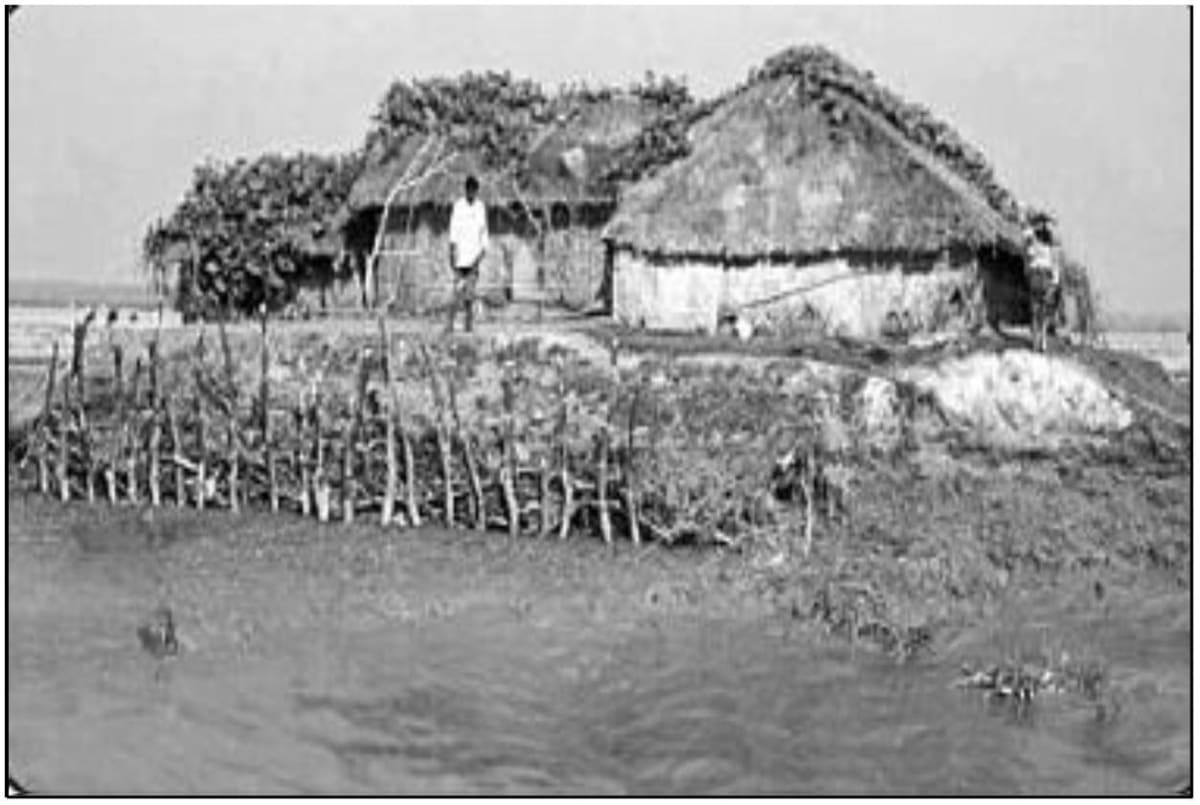
Which of the following is the primary benefit provided by the chars for the local community?
- rocky plains for smooth mobility.
- fertile soil for subsistence farming.
- the protection from man-eating tigers of nearby Sundarbans.
- deposition of mineral resources from the Himalayas, such as precious stones.