
History & Civics
What were the objectives and activities of the East India Association founded in 1866?
Nationalism Growth
5 Likes
Answer
The East India Association was founded in London on 1st October, 1866 by Dadabhai Naoroji. Its objectives were as follows-
- It aimed at providing members of the British Parliament information regarding India's genuine grievances.
- The Association attracted a lot of Englishmen who sympathised with India's distress.
- The Association recommended the abolition of cotton duties and petitioned the government to withdraw the Vernacular Press Act.
- The Association soon became popular and soon had branches in Mumbai, Kolkata and Chennai.
Answered By
2 Likes
Related Questions
Analysing the picture given below, identify the statement that does NOT align with its content.
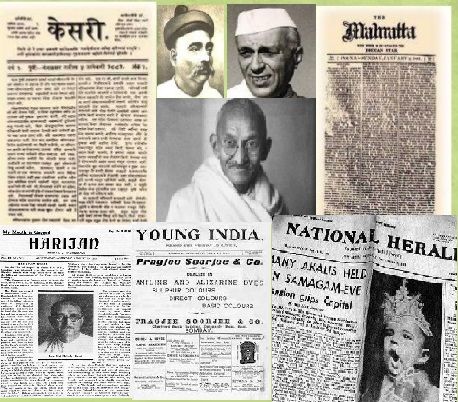
- The press spread modern liberal ideals such as liberty, freedom, and equality among the populace.
- The press provided a platform for various social groups from different regions of the country to exchange their views.
- The press played an important role in organising political movements.
- The press regularly praised the policies of the British Government in India.
Choose the options that do not apply to the immediate objectives of the Indian National Congress.
P: To promote friendly relations between nationalist political workers from different parts of the country.
Q: To incite the masses against the British officials.
R: To formulate popular demands and present them before the government.
S: To promote national unity by encouraging Swadeshi.
- P and Q
- Q and R
- Q and S
- R and S
Read the excerpt given below and answer the question that follows:
News outlets played a big role in instigating the dispute around the bill, sparking outrage in Britain and India, as the political press "to influence government legislation for India" for the first time. The Gazette, the Times, and other newspapers continued to release statements condemning the bill and criticising the desire to "please the native community at any cost". The widespread news reports invoked more opposition from those in Britain regarding the need to bring in judicial equality.
Source: WikipediaWhich Bill is being referred to in the above passage? What was its implication on the Indian judicial system?
Choose the options that DO NOT apply to the immediate objectives of the Indian National Congress.
P : To prevent national workers from all parts of India from becoming personally known to each other.
Q : To end all racial, religious, and provincial prejudices to promote national unity.
R : To formulate popular demands on vital Indian problems and their presentation before the government.
S : To manipulate the public opinion.
- P and Q
- Q and R
- P and S
- R and S