
History & Civics
What were the objectives of the Indian Association established at Kolkata in 1876 by Surendranath Banerjea?
Nationalism Growth
23 Likes
Answer
The objectives of the Indian Association established at Kolkata in 1876 by Surendranath Banerjea were-
- To unite Indians upon the basis of common political interests and beliefs
- To promote brotherly feelings between the Hindus and the Muslims
- To agitate for a constitutional government
Answered By
1 Like
Related Questions
It was because of the efforts made by Raja Rammohan Roy that …………… , the Governor-General of India, passed a law in 1829 making the practice of sati illegal and punishable by law.
- Lord Dalhousie
- Lord Wellesley
- Lord William Bentinck
- Lord Canning
Analysing the picture given below, identify the statement that does NOT align with its content.
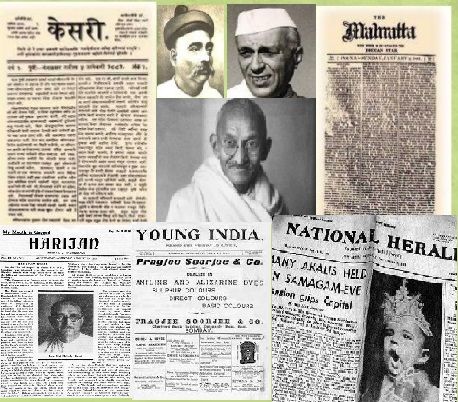
- The press spread modern liberal ideals such as liberty, freedom, and equality among the populace.
- The press provided a platform for various social groups from different regions of the country to exchange their views.
- The press played an important role in organising political movements.
- The press regularly praised the policies of the British Government in India.
To benefit British industry, British rule pursued a policy of free trade in India. The nationalists were generally concerned about the lack of public investment in agriculture and argued that the British were trying to turn India into a valuable source of raw materials and a consumer of British-manufactured goods to make India an extension of the British economy.
(Source: History of Modern India by Bipin Chandra.)
Discuss how the British empire deindustrialised India.
How did the introduction of English as the medium of instruction help the Indians?