
History & Civics
(a) Identify the person in the given picture. Name the organisation formed by him. State any two beliefs of this organisation with regard to religion.
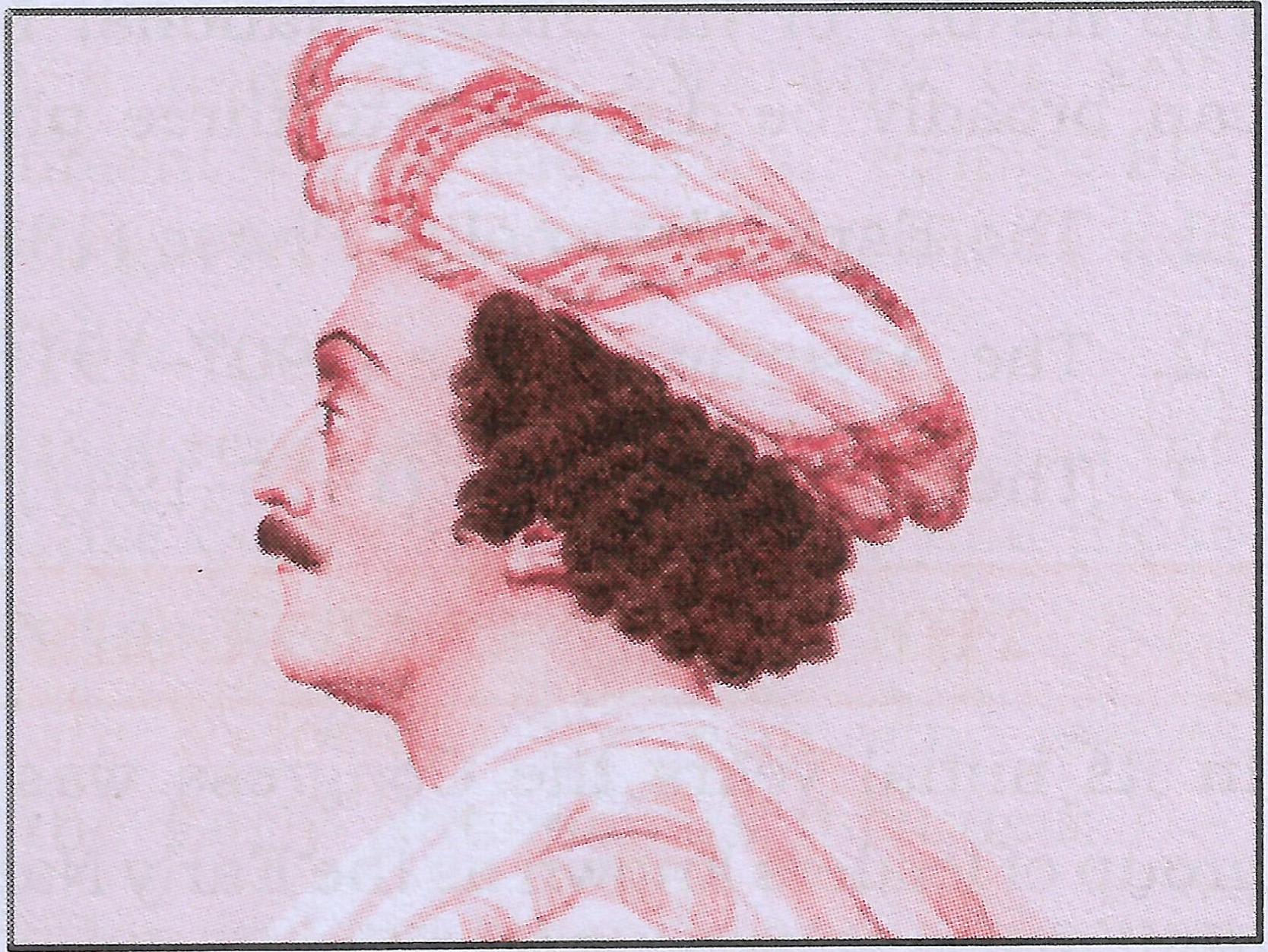
(b) Mention his contribution to the growth of Indian National movement.
(c) How did the socio-religious reform movements of the 19th century act as pioneers of Indian Nationalism?
Nationalism Growth
20 Likes
Answer
(a) The person in the given picture is Raja Rammohan Roy. In 1828, he founded the Brahmo Samaj.
Two beliefs of this organisation with regard to religion are-
- It believed in Monotheism or worship of one God.
- It condemned idol worship and laid emphasis on prayer, meditation, charity, morality and strengthening the bonds of unity between men of all religions and creeds.
(b) Raja Rammohan Roy was one of the greatest social and religious reformers of the 19th century. He wanted to do away with the religious and social evils which were prevalent in Bengal at that time. He was deeply moved by deep love for his people and country and worked hard throughout his life for their religious, social, intellectual and political regeneration.
His Approach of Religion —
- Raja Rammohan Roy was a great humanist, who stressed the unity of all religions.
- He strongly held the view that all the principal ancient texts of the Hindus preached monotheism (Worship of one God).
- In 1814, he started the Atmiya Sabha and carried on a persistent struggle against worship of idols and meaningless religious rituals.
- In 1828, he founded the Brahmo Samaj.
- The Brahmo Samaj believed in Monotheism or worship of one God. It condemned idol worship and laid emphasis on prayer, meditation, charity, morality and strengthening the bonds of unity between men of all religions and creeds.
Social Reforms —
- Rammohan Roy was against the rigidity of the caste system.
- He started a campaign for the abolition of sari and purdah system, condemned polygamy, discouraged child marriages and advocated the right of widows to remarry.
- It was because of the efforts made by Rammohan Roy that William Bentinck, the Governor-General of India, passed a law in 1829 making the practice of Sati illegal and punishable by law.
- He was a strong supporter of women's rights. He condemned the subjugation of women. To raise the status of women, he demanded that they be given the right of inheritance and property.
Pioneer of Indian Journalism —
- Rammohan Roy was a staunch nationalist and a pioneer of Indian journalism.
- He brought out a number of journals in Bengali, English, Hindi and Persian to spread scientific, literary and political knowledge among the Indians and raise public opinion on topics of current interest and to represent popular demands and grievances before the British government.
- He also started a Bengali weekly called the Samwad Kaumudi and a paper in Persian called Mirat-ul-Akhbar.
Political Rights —
- Rammohan Roy was the initiator of public agitation for demanding political and other rights.
- He demanded the abolition of the East India Company's trading rights and heavy export duties on Indian goods.
- He also demanded separation of the executive and the judiciary, trial by jury, judicial equality between Indians and Europeans and Indianisation of the superior services.
In the words of Rabindranath Tagore, "Raja Rammohan Roy inaugurated the modern age in India. He was the father of Indian Renaissance and the prophet of Indian Nationalism."
(c) The socio-religious reform movements of the 19th century were great pioneers of Indian nationalism in the following ways:
- The impact of Western education, which led to a rational, humanitarian and scientific approach to life, made the educated Indians realise the need to reform their religion and society.
- They felt that the path to progress lay in the acceptance of the best of the East and the West.
- The result was the birth of socio-religious reform movements touching almost every segment of Indian society.
- In the social sphere, these movements worked for the abolition of caste system, child marriage, dowry system, purdah system, sati and infanticide.
- They launched a crusade against social and legal inequalities.
- In the religious sphere, these reform movements combated religious superstitions, attacked idolatry, polytheism and hereditary priesthood.
- These movements fought for individual liberty and social equality.
Answered By
14 Likes
Related Questions
(a) Identify the person in the given picture. Name the organisation formed by him. State any two beliefs of this organisation with regard to upliftment of women.

(b) Mention his contribution to the growth of Indian National movement.
(c) How did the socio-religious reform movements of the 19th century act as pioneers of Indian Nationalism?
Imagine you are a potter making water pitchers. List the difficulties that you are facing in the second half of the 19th century.
Imagine you are a member of Brahmo Samaj. Elaborate what convinced you to join the Brahmo Samaj and how you were influenced by Raja Rammohan Roy.
Suppose you were a student living in the second half of the 19th century. State how your routine of reading a newspaper everyday created strong national sentiments against the British.